Haoxuan Jiang
back to work

Anchor

2026.3

Things remember the time you forgot

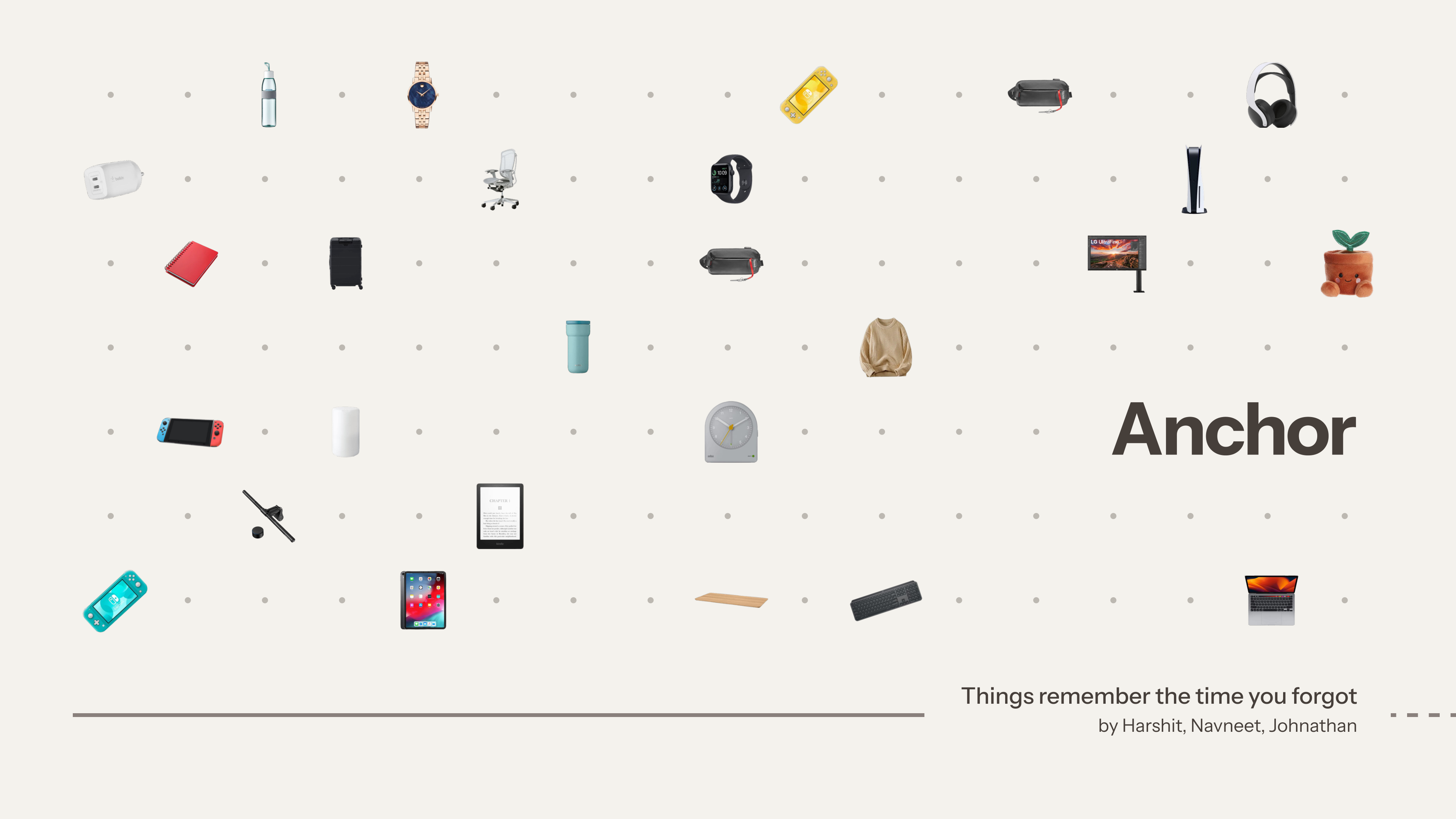
Anchor: a grid of everyday objects (a watch, headphones, a plush, a console, a notebook) scattered across a warm paper field beside the Anchor wordmark and the tagline ‘Things remember the time you forgot.’

We teamed up for a Figma hackathon exploring chronoception, our distorted sense of time, and how the everyday objects we own can act as anchors back to the moments we've actually lived.

Role
Concept & Product Design
Team
Harshit, Navneet & me
Timeline
Mar 8-10, 2026
Tools
AI
3
designers, three personal objects, one shared feeling
3
core features: Objects, Filters, Timetravel
3
days we pushed the project from idea to prototype

Problem framing

We remember emotions more clearly than events. Stress, loneliness, or uncertainty can compress months of life into something that feels like “nothing.” But things in our life can remind us of what we've forgotten.

Research through ourselves

Three of us, three objects, one shared feeling. Rather than start from a survey, we started from each other. Each of us brought one object we live with every day and told the story attached to it. Every story turned out to be a story about time: how recent something feels versus how long it has actually been.

A green-bordered ‘Figma for Edu’ instant photo of the three teammates — Nav on the left, me in the middle, Harshit on the right — cheering at a Figma hackathon.
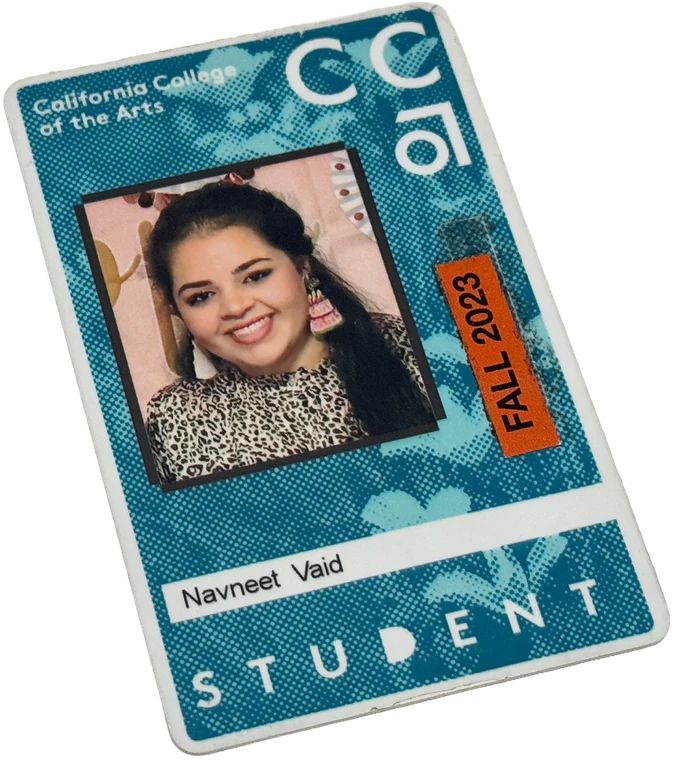
Navneet's California College of the Arts student ID card.
Nav · ID Card
A subtle reminder of 3 years of change and growth.
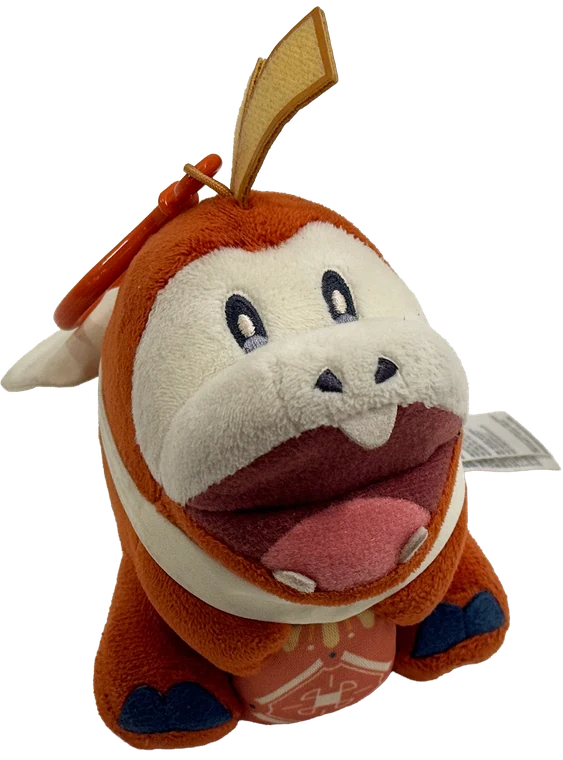
Johnathan's orange plush charm.
Johnathan · Plush
A replacement of a lost gift, reminding me of when I received my first plush.
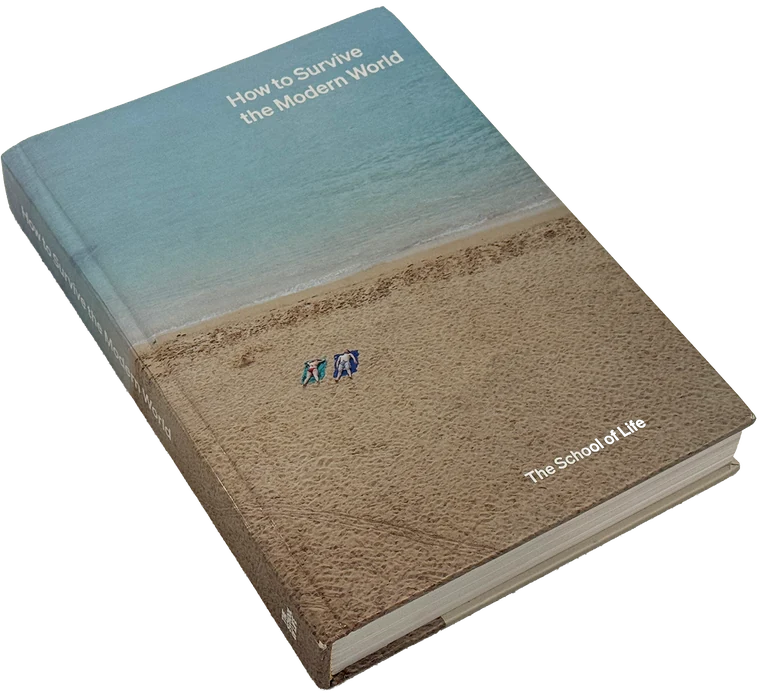
Harshit's copy of ‘How to Survive the Modern World’ by The School of Life.
Harshit · Manual
A graduation gift helping him go through hard times.
Our Figma hackathon team: Nav (left), me (middle), Harshit (right).

How might we

Use familiar objects to help people perceive their distortion of time. We chose objects deliberately. Objects are anchors in lived time. They hold memory, context, and the phases of life we move through. A plush, an ID card, a book: each one quietly carries a date we've stopped noticing.

If an object could tell you when it actually entered your life, it could also reveal how far you've really come since then.

From concept to product

Scope
Audience

Young adults who most often feel time slipping by too quickly.

Behavioral Goal

Understand and acknowledge the time warp perception.

Data Model

Objects as time markers; dates from receipts, orders, subscriptions.

Help Users

Recognize when familiar objects feel more recent.

Reconnect objects to real moments of life.

Rebuild the gap between felt and lived time.

Flows
Objects

Place and review objects as anchors in your memories.

Filters

Use a smart filter to reveal patterns that emerge from your time.

Timetravel

Create a moment of reflection before revealing the actual date.

We Created
From the idea to the concept, we created Anchor: a tool that uses familiar objects as time markers to reveal the gap between perceived time and lived time.

Anchor in flow

We built a working prototype in Figma Make to test the core loop end to end: adding an object, attaching a memory, asking it a question, and arriving at the small reveal of how long it has really been.

01 · Objects
Collect the things you live with
  • Add objects simply by taking a photo.
  • Make notes of the memories you have with them.
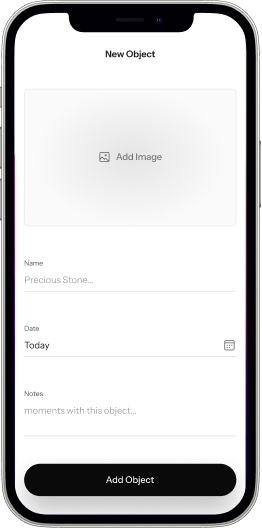
Anchor ‘New Object’ screen with an Add Image area and fields for name, date, and notes.
Add an object by photo and note the memory.
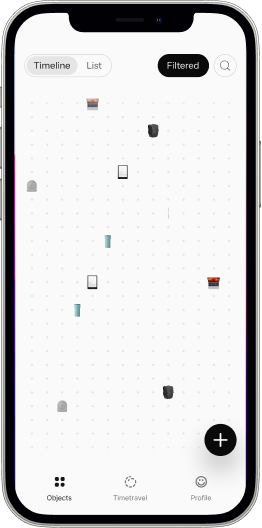
Anchor timeline view: object thumbnails scattered across a dotted grid, filtered by time, with a floating add button.
Objects placed as anchors across your timeline.
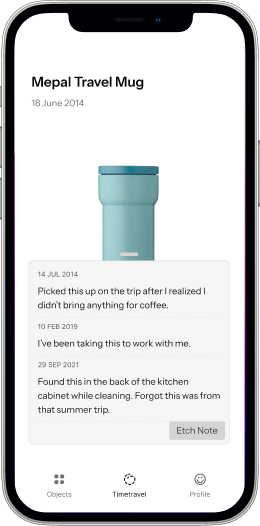
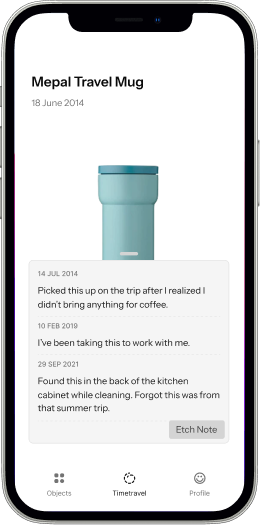
Anchor object detail for a Mepal travel mug, showing its dated notes.
Review an object and the memories tied to it.
02 · Filters
Ask, and let the patterns surface
  • Ask anything using natural language.
  • Reflect on the patterns that emerge from your time.
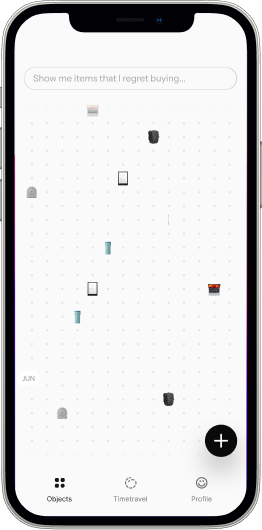
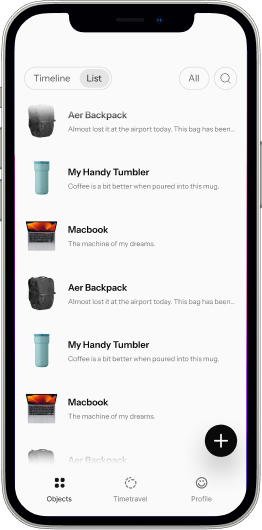
Anchor filter view with a natural-language search reading ‘Show me items that I regret buying’ over the timeline grid.
“Show me items that I regret buying.”
Anchor list view showing matching objects: an Aer backpack, a tumbler, a MacBook, each with a short note.
Results as a list, each with your notes.
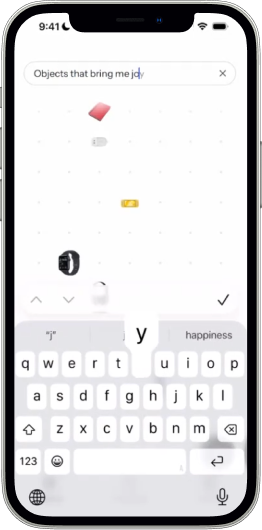
Anchor natural-language search reading ‘Objects that bring me joy’ with the keyboard open.
“Objects that bring me joy.”
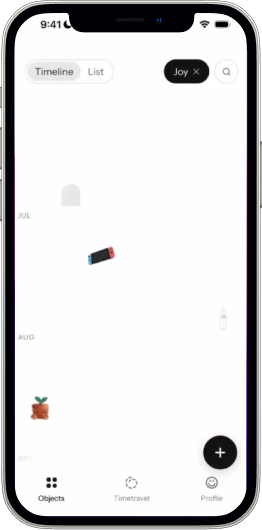
Anchor timeline filtered by a ‘Joy’ tag, surfacing the objects that match.
Patterns surface, filtered by feeling.
03 · Timetravel
A beat of reflection before the reveal
  • Anchor asks a thoughtful question about the object.
  • Look back at your notes to reflect on your time with it.
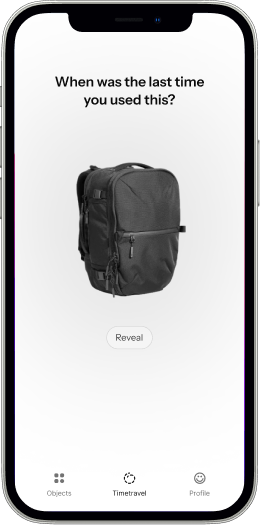
Anchor timetravel prompt asking ‘When was the last time you used this?’ above a photo of a black Aer backpack, with a Reveal button.
A question first, then the date.
Anchor object detail for a Mepal travel mug dated 18 June 2014, with dated notes from 2014, 2019 and 2021.
Notes across the years, then the real date lands.
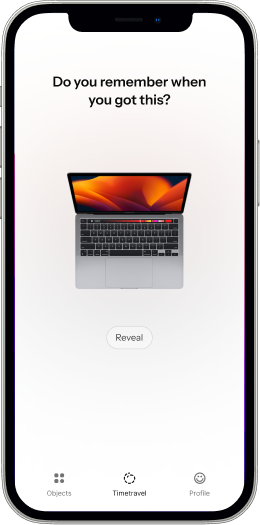
Anchor timetravel prompt asking ‘Do you remember when you got this?’ above a MacBook, with a Reveal button.
Another gentle question before the reveal.
2026
Product marketing page for Dynamo AI
Next
AgentWarden

Thanks for reading. If anything caught your eye, I'd love to hear about it.