sheep
Where days end and dreams begin.
In this world filled with digital devices, people often spend time on screens before sleep. There are products designed for sleep quality that focus more on what happens after you wake up and use the data to regulate it. But no product that properly solves the problem before sleep.
- Role
- Product designer
- Project type
- Product, UX/UI
- Timeline
- 2025.9 — 2025.12
- Tools
- Figma, After Effects, Jitter
- Wireframes
- 13
- Primary user flow
- 1
- Developed
- A smart window system
Modern insomnia
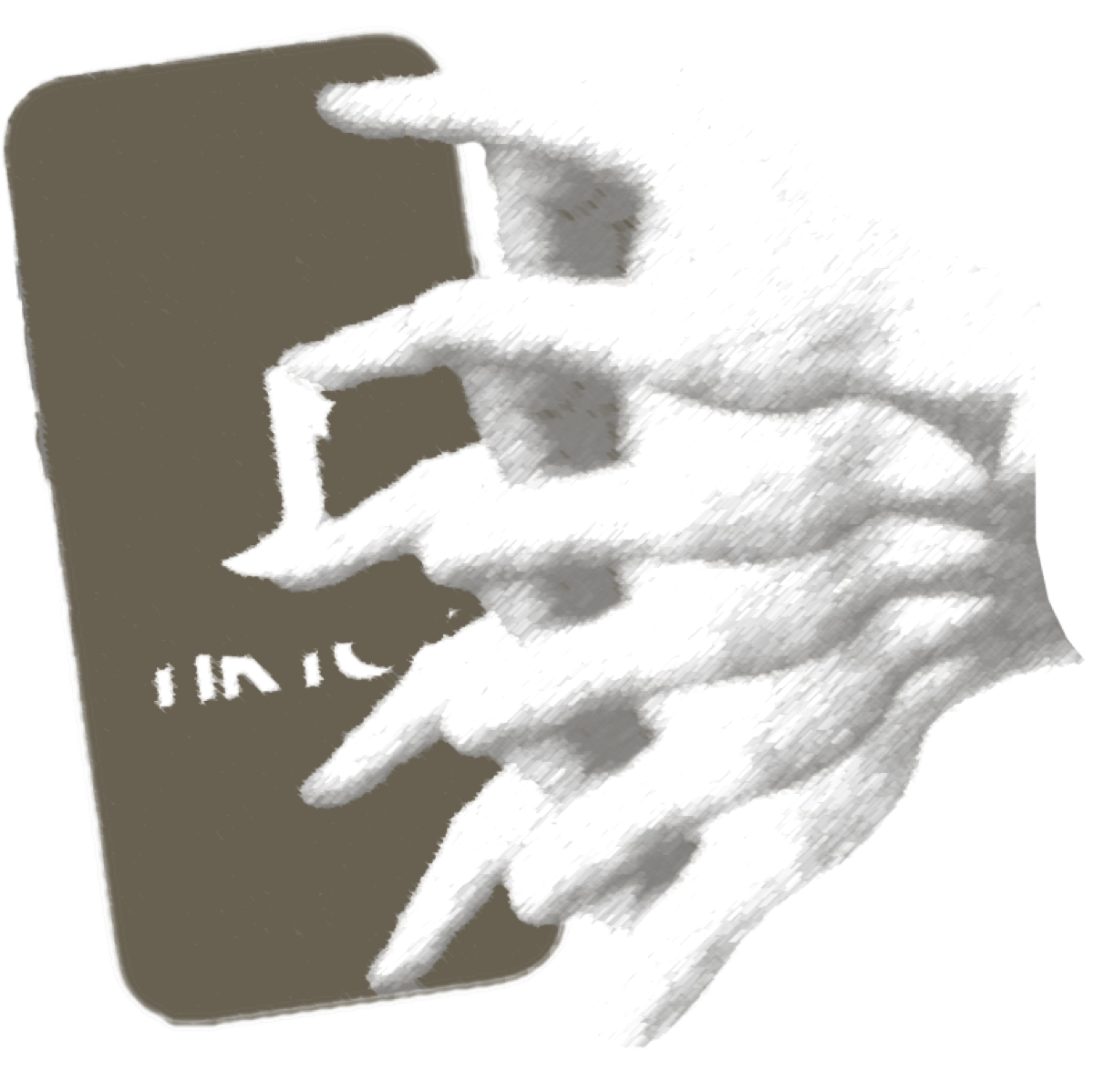
The average American screen time before sleep is around 70 minutes, and this is one of the major reasons people suffer from insomnia nowadays.
Screen lights make the brain think it's daytime, so it won't fall asleep even though it's dark outside, and the mood is affected by social media — leading to information overload.
What keeps us from sleep
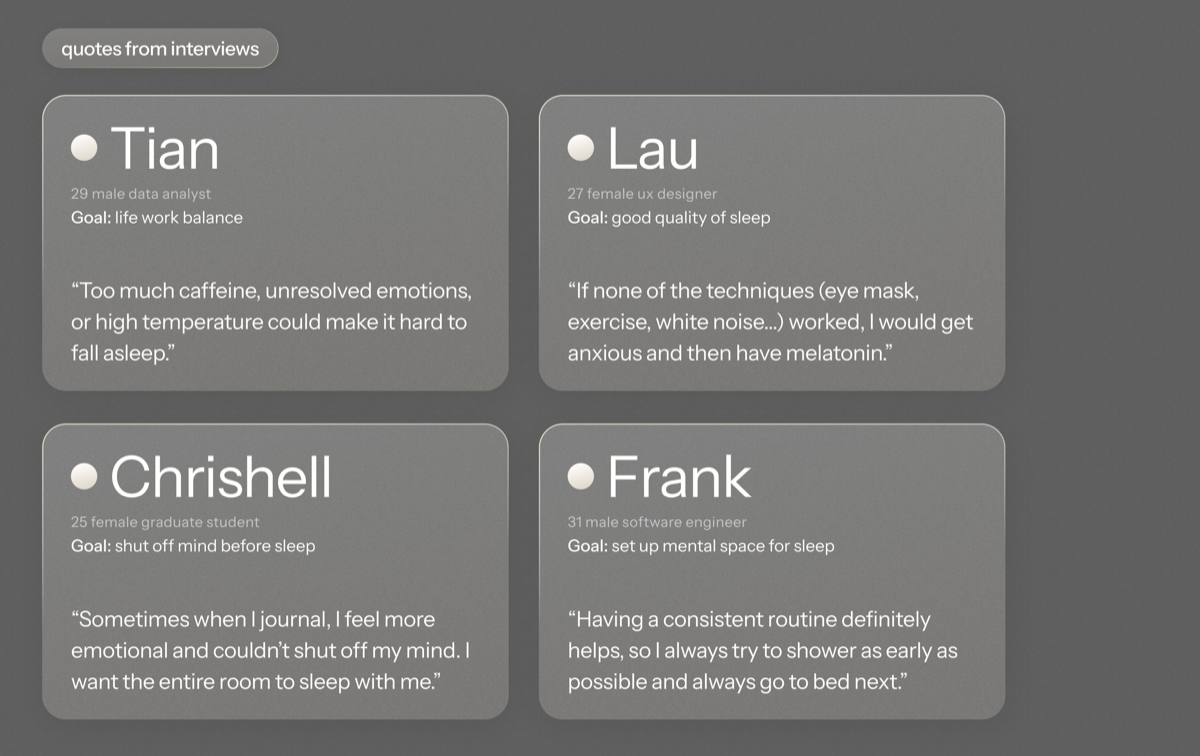
Us before sleep. I wanted to know more about this problem, so I conducted 4 interviews to learn more about people's bedtime routines.
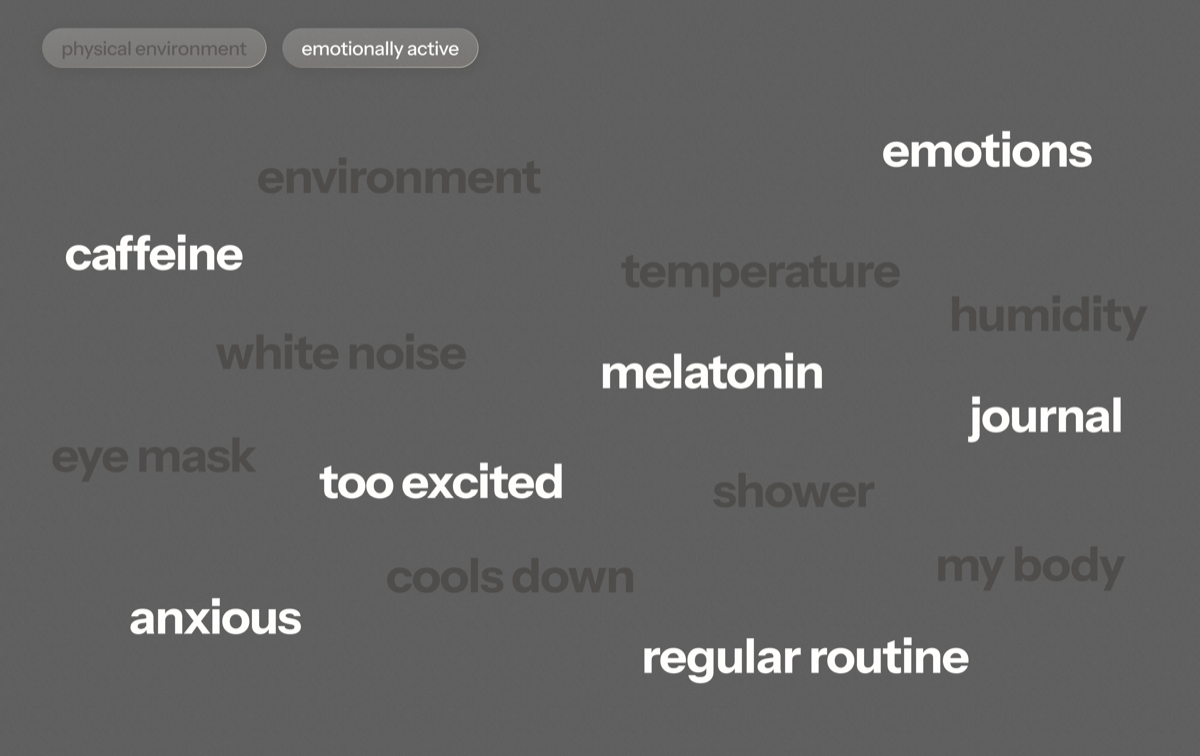
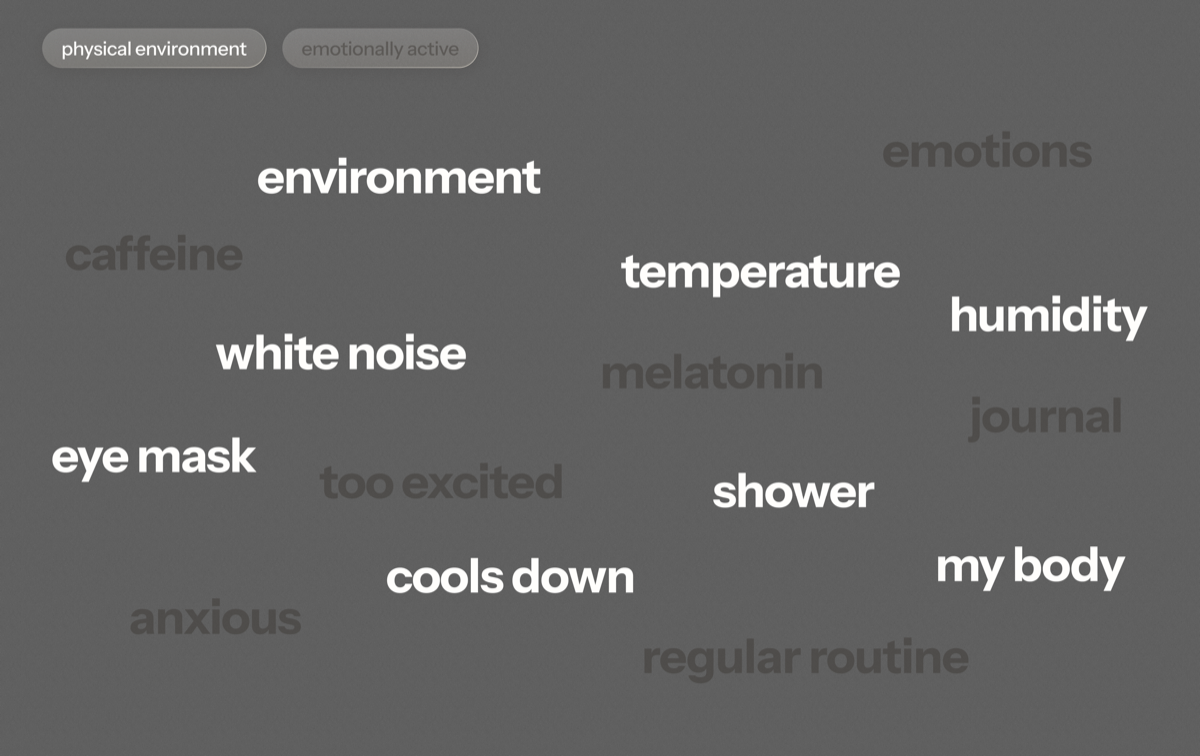
I extracted keywords from the interviews and noticed that many people feel emotionally active before sleep. But surprisingly, words related to the physical environment show up many times — which proves that it also plays a crucial role before sleep.
The challenge
sheep has to drive people from screen to physical space — yet sheep itself lives on a screen. Every minute of digital experience I add risks feeding the exact habit the product is trying to break.
So the design treats the screen as a bridge, not a destination: prompts that help people stay present and interact with the physical environment, instead of only the screens.
The larger picture
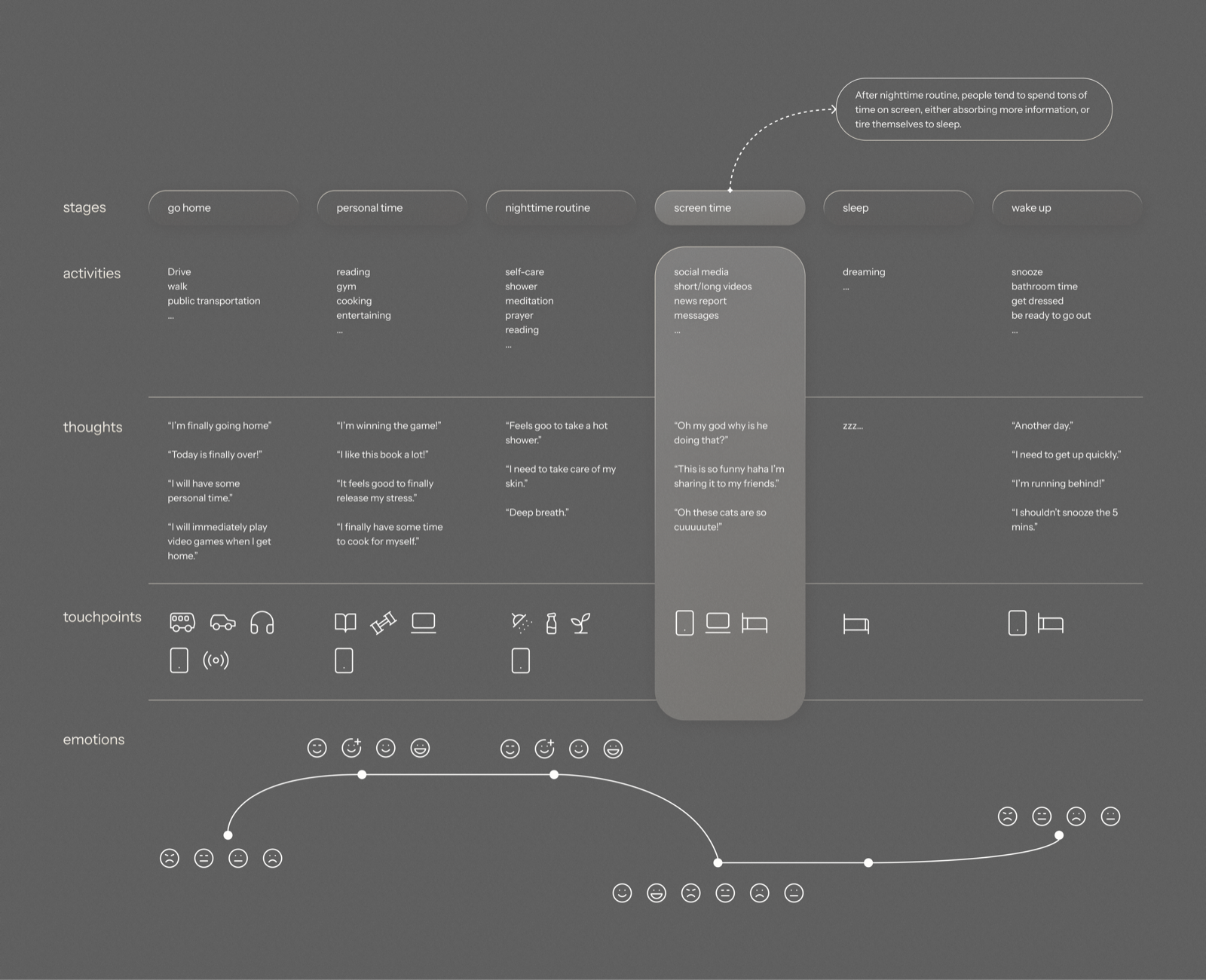
To understand the core problem in a larger sense, I mapped the primary user journey and realized that after a long day of work, school, or anything that drains our energy, our minds carry lingering emotions into bedtime — while the physical environment gets completely ignored. Screen time amplifies this further, flooding the mind with new information right when it needs to wind down.
These two things together keep the body from feeling ready to sleep. This is what sheep's grounding ritual is designed to address.
Core experience
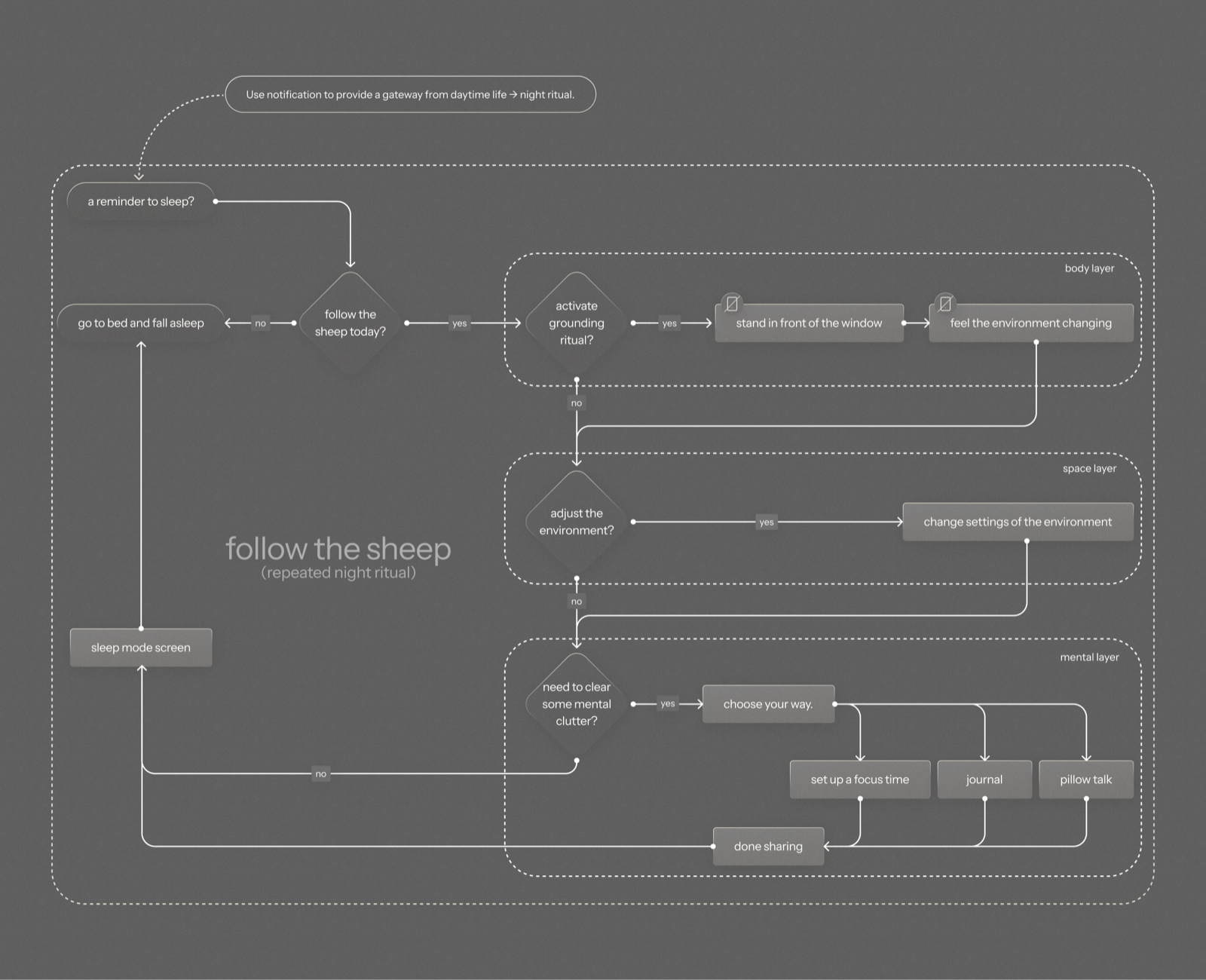
With all the analyses from my research and interview, I realized that most sleeping apps go straight to mental, but never pay attention to anything in the physical environment. The core flow of sheep is structured around two pain points in order — physical environment first, mental clutter second — because the body needs to feel settled before the mind can let go.
Window system
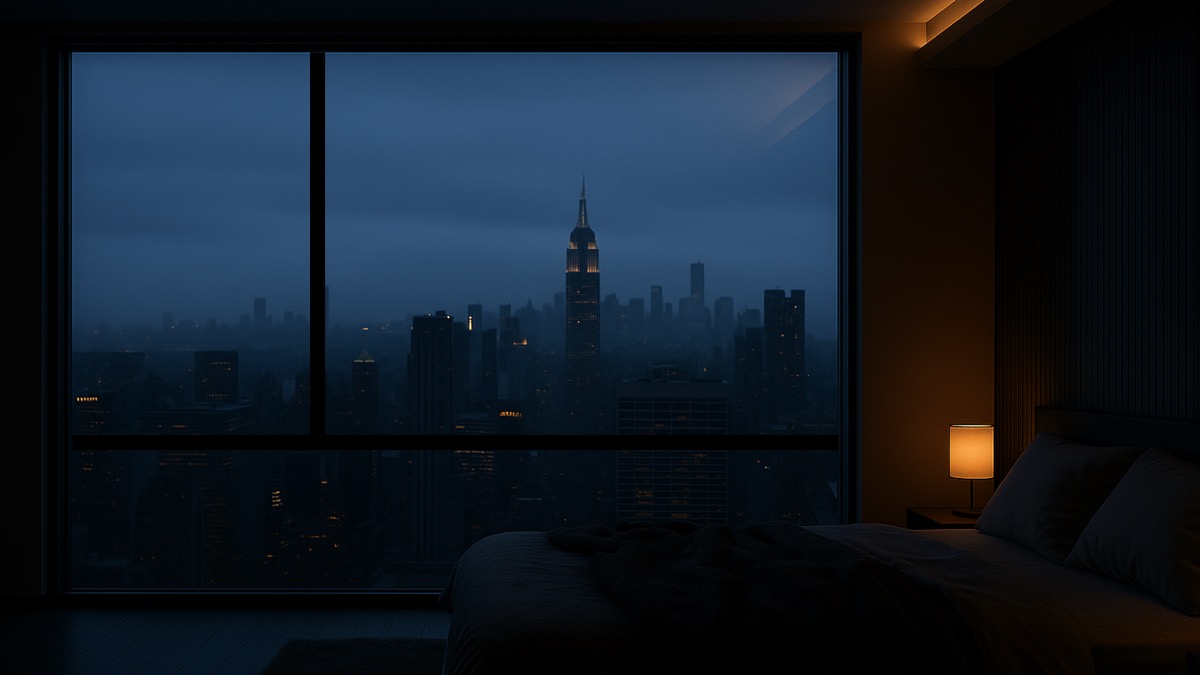
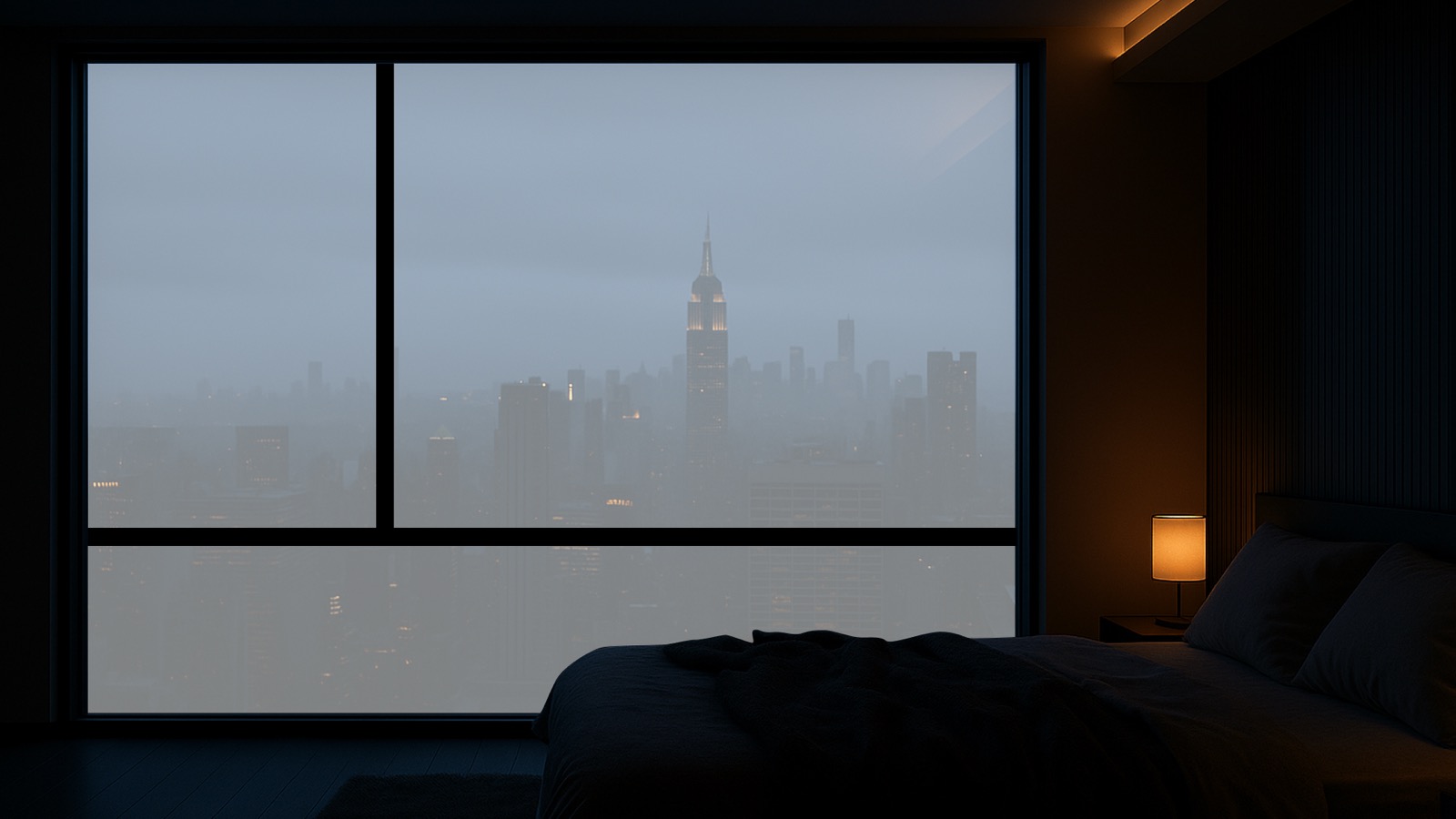
Because it is not enough to only use an app to guide users to sleep, sheep incorporates smart films and developed a window system that allows users to adjust the whole physical environment.
Smart films are electrically activated, self-adhesive sheets applied to existing glass to turn it from transparent to opaque instantly. In the future, smart films can certainly be incorporated with other smart home devices (like AC, speaker, humidifier, etc.) to adjust the environment together.
Activate grounding ritual
sheep first grounds the users by providing a sensory experience. The window system incorporates many home devices to adjust the physical environment.
The demo video shows that when the user approaches the window (smart film), the system activates, and the user can start the grounding ritual to receive a sensory experience that helps them focus on the physical environment instead of cluttered thoughts.
Adjust the environment
After the grounding ritual, the user now notices more details of the environment, and they can adjust the parameters via the mobile app. Users can adjust the environment parameters like temperature, humidity, light level, and noise level.
They can also choose to play a background music playlist as an element.
Store the emotions
After the physical layer is adjusted and settled, sheep guides users to store their emotions through journaling, voicing, or simply set a focus timer to quiet the mind.
The demo video shows the system interacting with these 3 features.
Sleep mode
Impact
sheep's measure of success is deliberately upside down: it works when you stop looking at it. There's no engagement metric worth chasing here — the only number that should move is minutes of screen time before sleep, and it should move down. Every decision in this project was judged against one question: does this help someone put the phone down sooner?
What I can point to is the system built to make that happen. Four interviews surfaced the two pain points that shaped everything downstream — which became 13 wireframes, one primary user flow, a smart window concept, a complete brand identity built from scratch, and a product trailer published across social platforms. A full product story, carried from research to launch materials.
What I learned
Through this project, I learned that solving for sleep means designing for a transition — not that sequencing matters. Physical comfort has to come before mental release, not the other way around.
I also learned how constraint is generative. Two pain points form four interviews kept every decision purposeful, and helped me resist feature creep.
Working across a physical system and a mobile app also showed me that the handoff between them — the moment the window activates and the phone responds — is where the whole experience either closes or falls apart.
sheep is a sleep ritual that settles the body before it quiets the mind. The identity had to feel like the moment it designs for the calm, warm, in-between hour when the day lets go. This is the visual identity/branding behind that product: the mark, the type, the palette, and the communication materials that carry it across screen and space.
Scope
- Role
- Brand & visual designer
- Project type
- Branding & visual identity
- Timeline
- 2025.9 — 2025.12
- Tools
- Figma, Illustrator, AI
- Deliverables
- Logomark · style guide · communications content · video trailer
Concept
In a world of endless screens and restless minds, sheep invites people to rediscover the quiet ritual of ending the day. It helps people create physical and mental space to prepare the body to sleep.
Logo & name
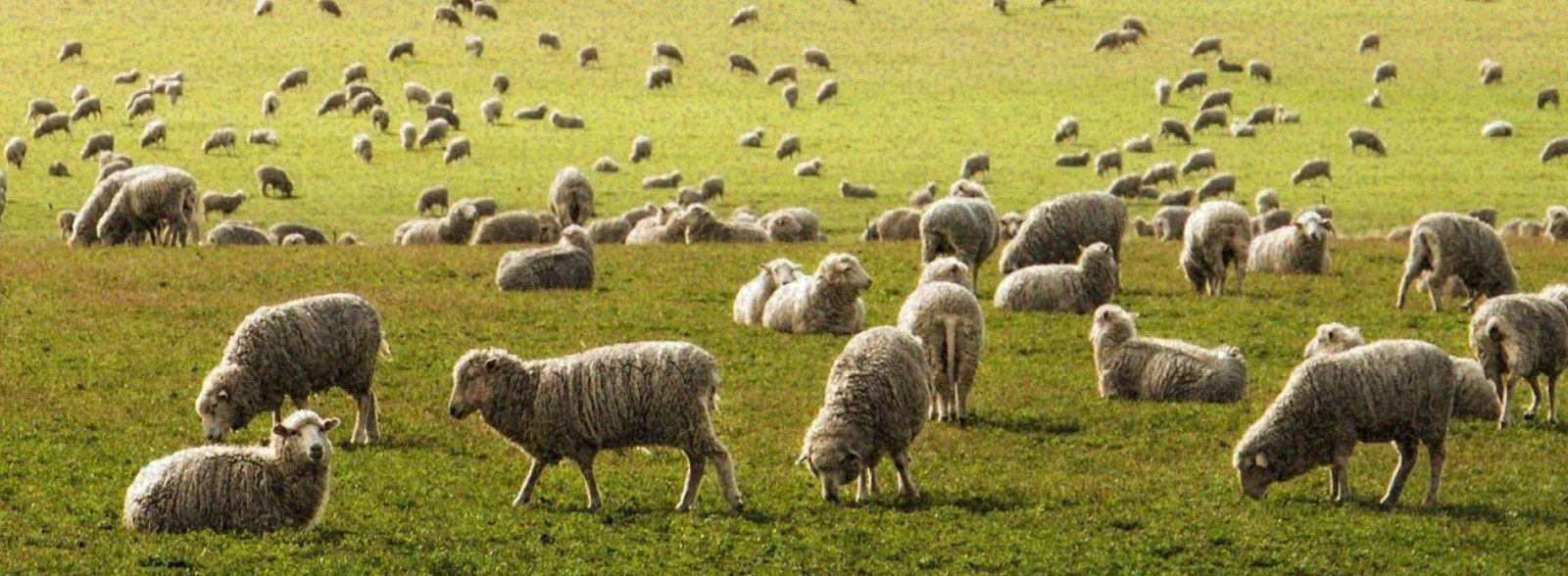
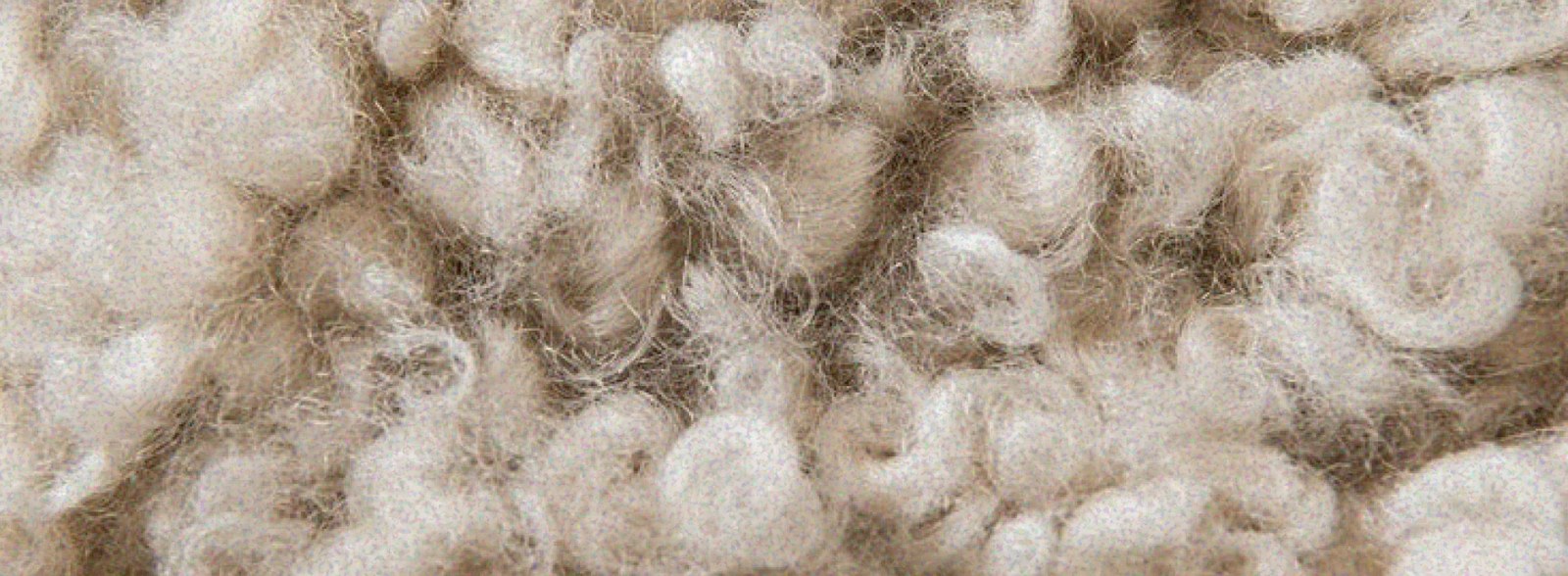
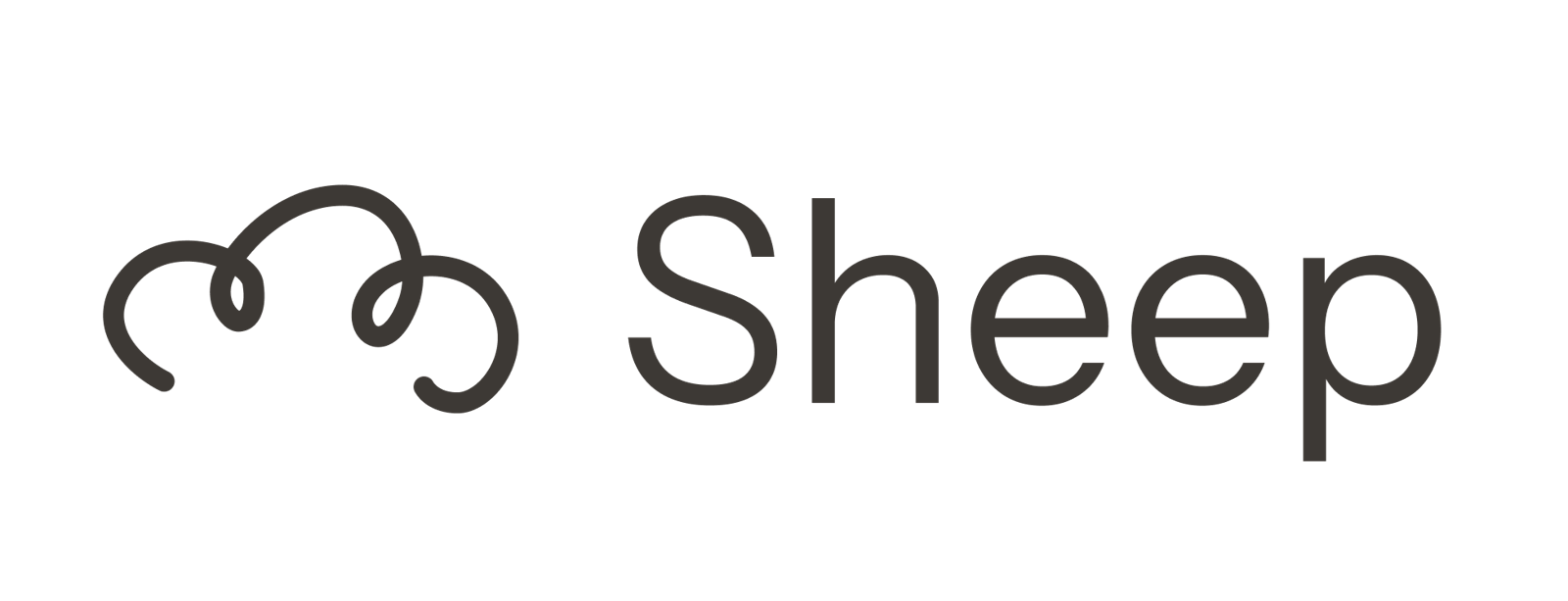
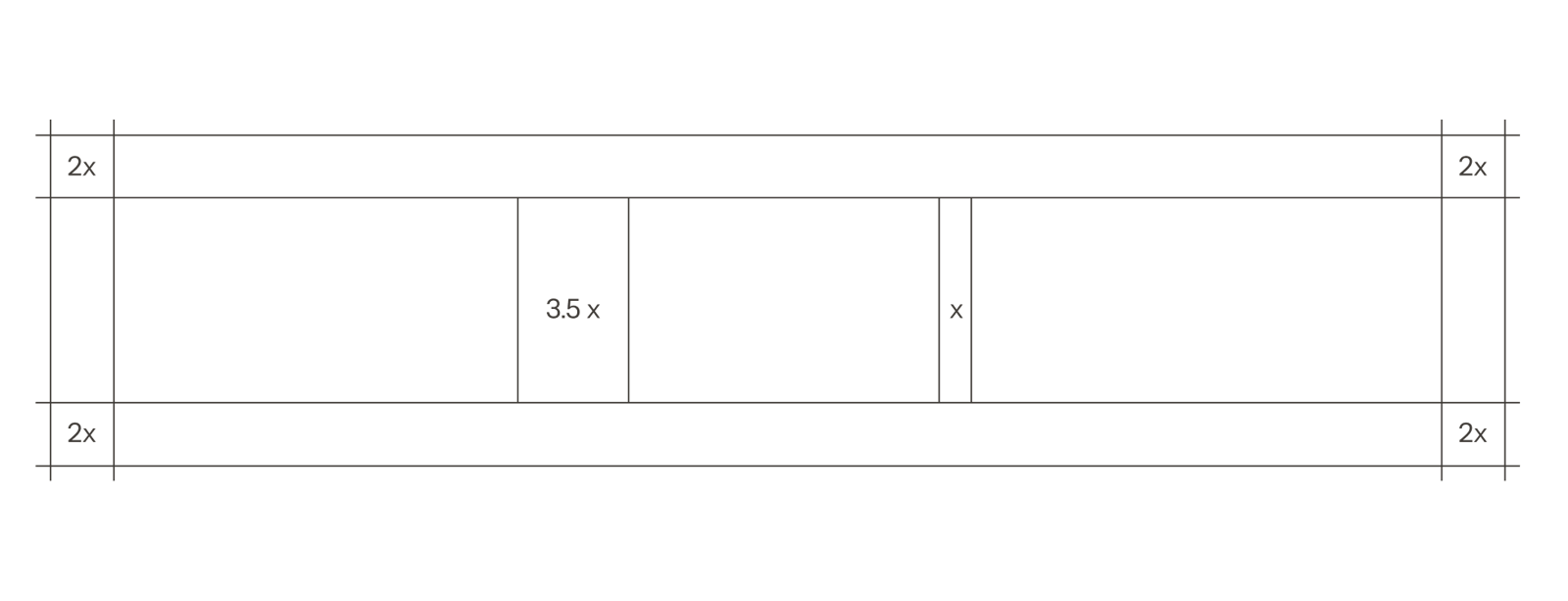
The mark is built on a single visual pun: a cloud that is also a sheep, drawn as one continuous, rounded line. The name comes from the oldest image we have for drifting off, counting sheep, and the form of the mark is borrowed straight from the curl of their wool.
A field of sheep at golden hour, where the name began.
Up close, the wool coils into little curls, the exact gesture the logo traces. Hover to see the shapes hiding in the fleece.
 Hover ✦
All of it resolves into a single mark. Hover the logo to see its construction grid.
 Hover ✦
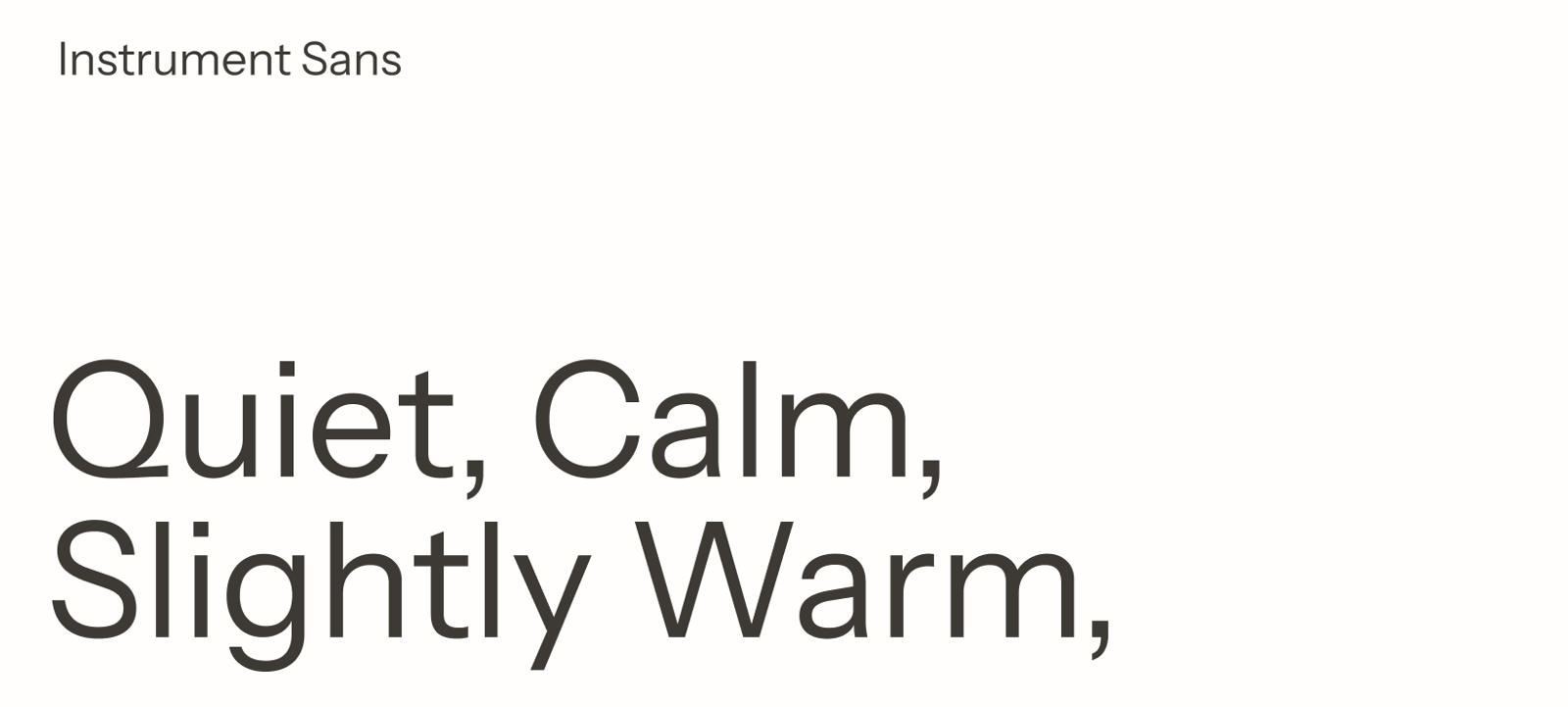
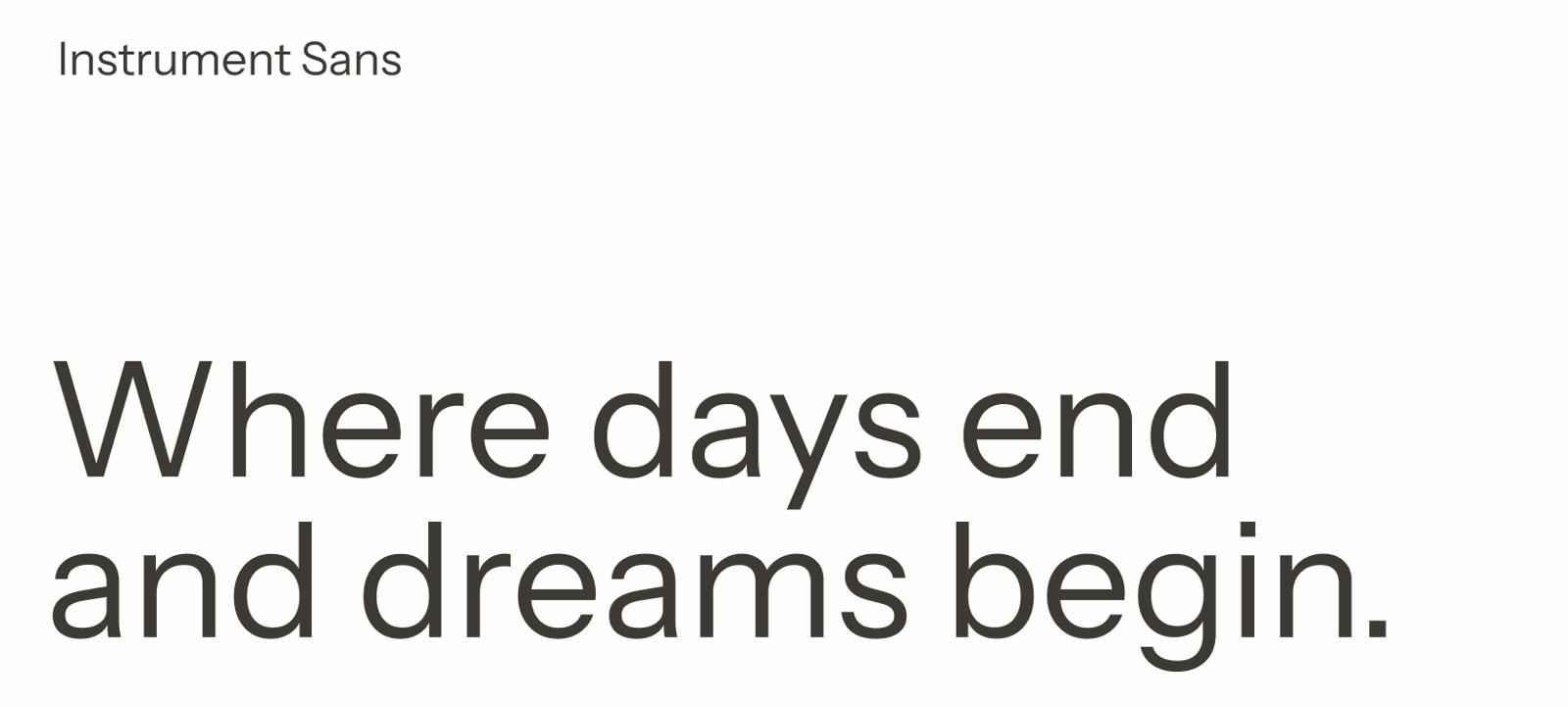
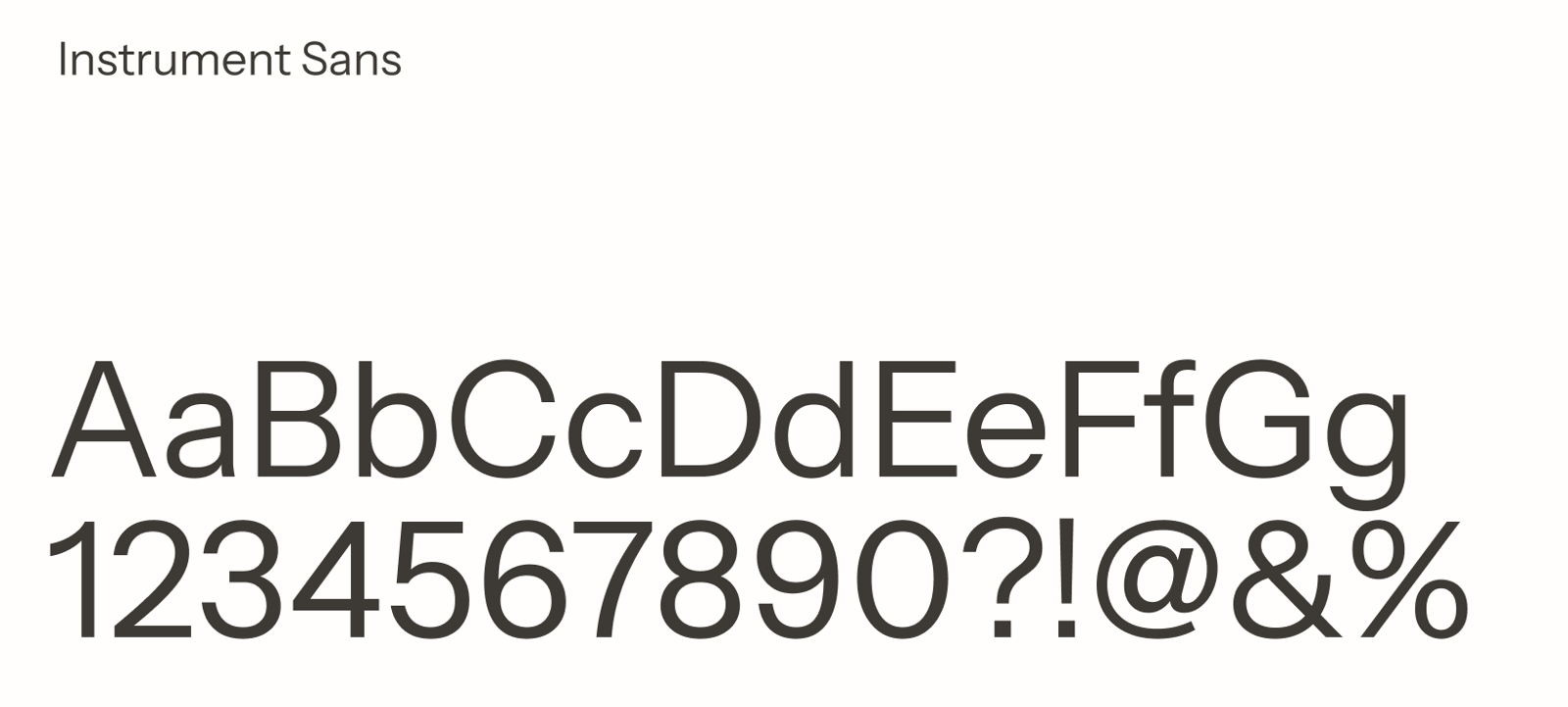
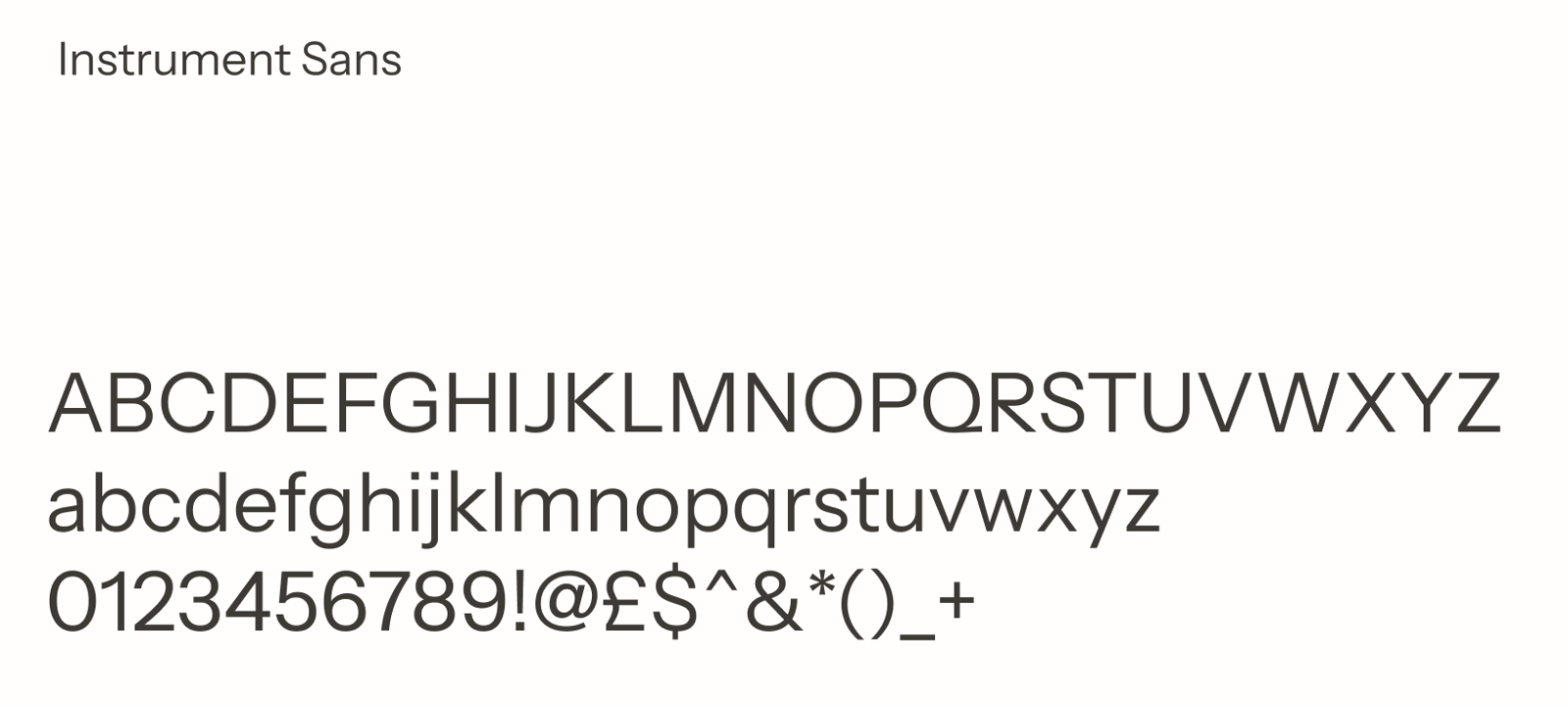
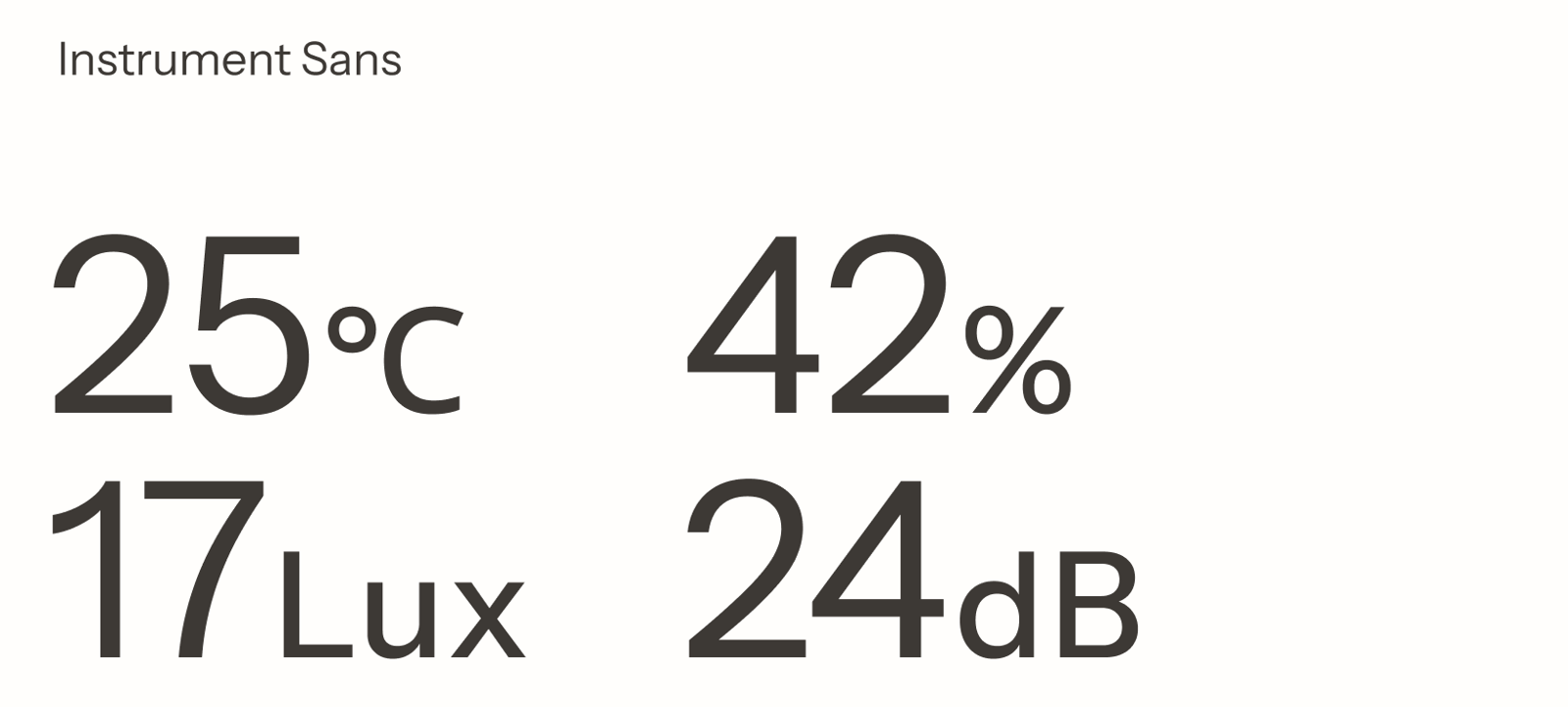
Typography
Colors
The palette is deliberately narrow, the temperature of a warm room at dusk. Creamy Wool is the resting surface, Deep Umber grounds the type and the mark, and the Golden Hour gradient carries the brand's emotional core: the soft glow of light fading at the end of the day.
Communications
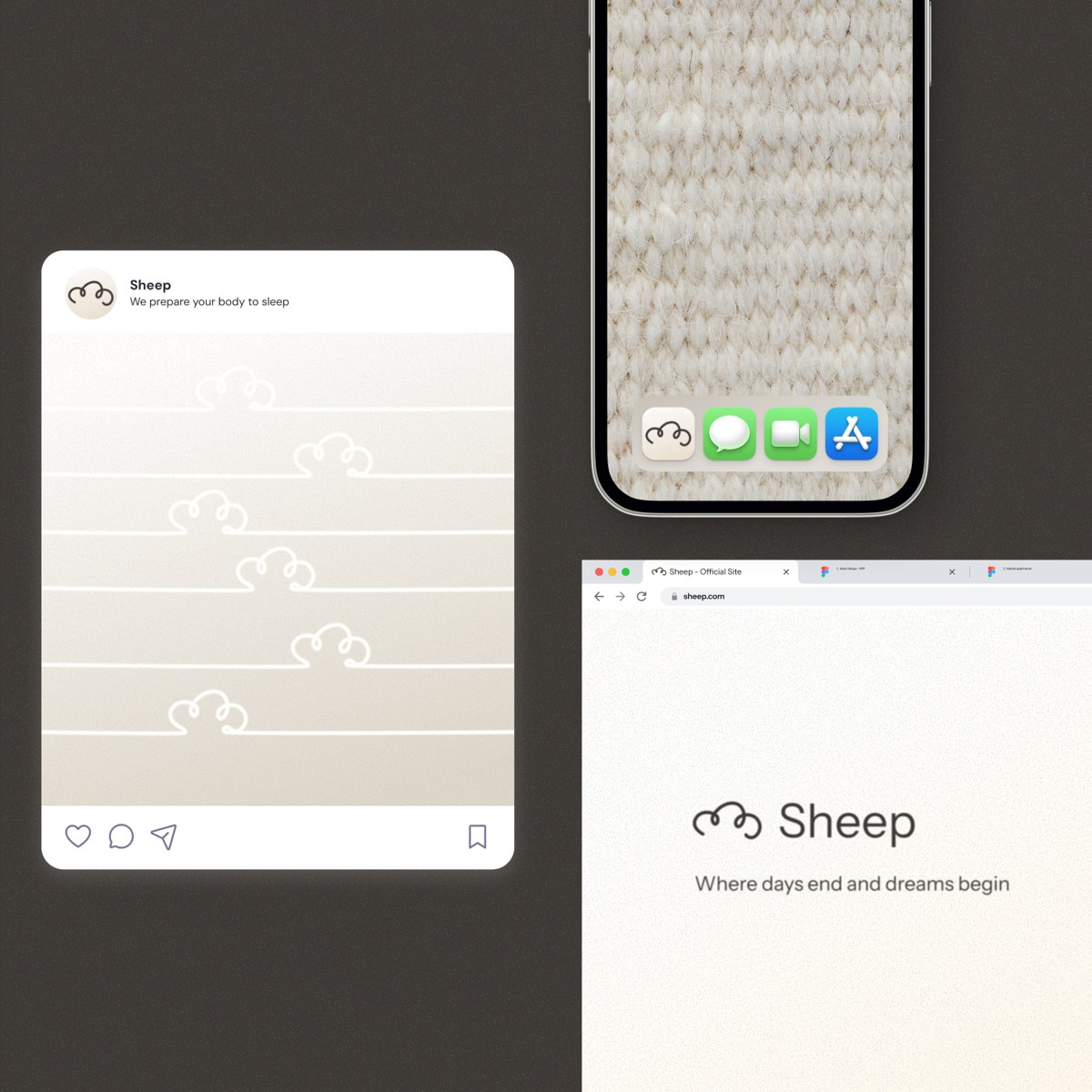
Across touchpoints the system stays quiet and consistent: the mark on Creamy Wool, soft textures, and the tagline carrying the voice from social to screen to the physical window itself.
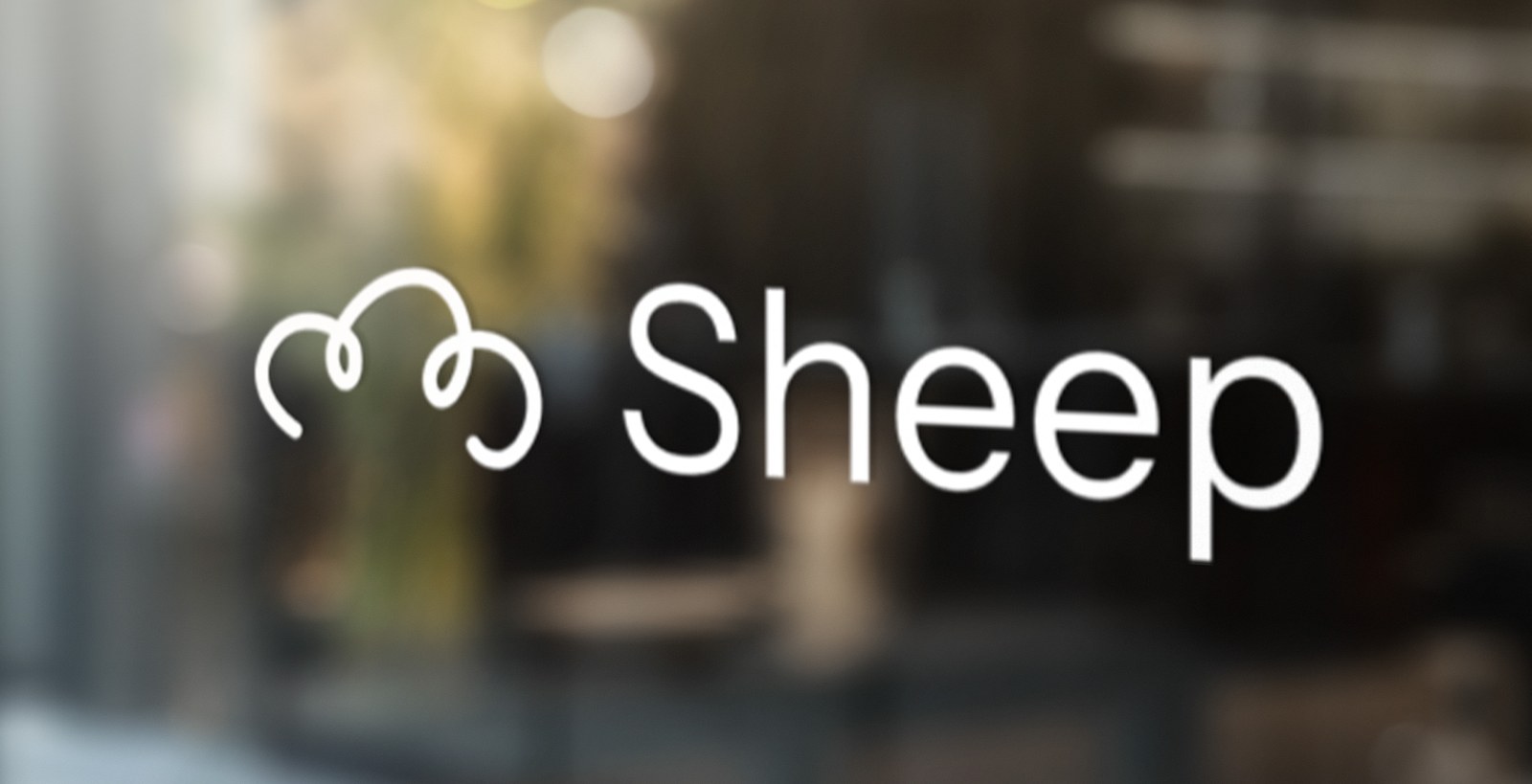
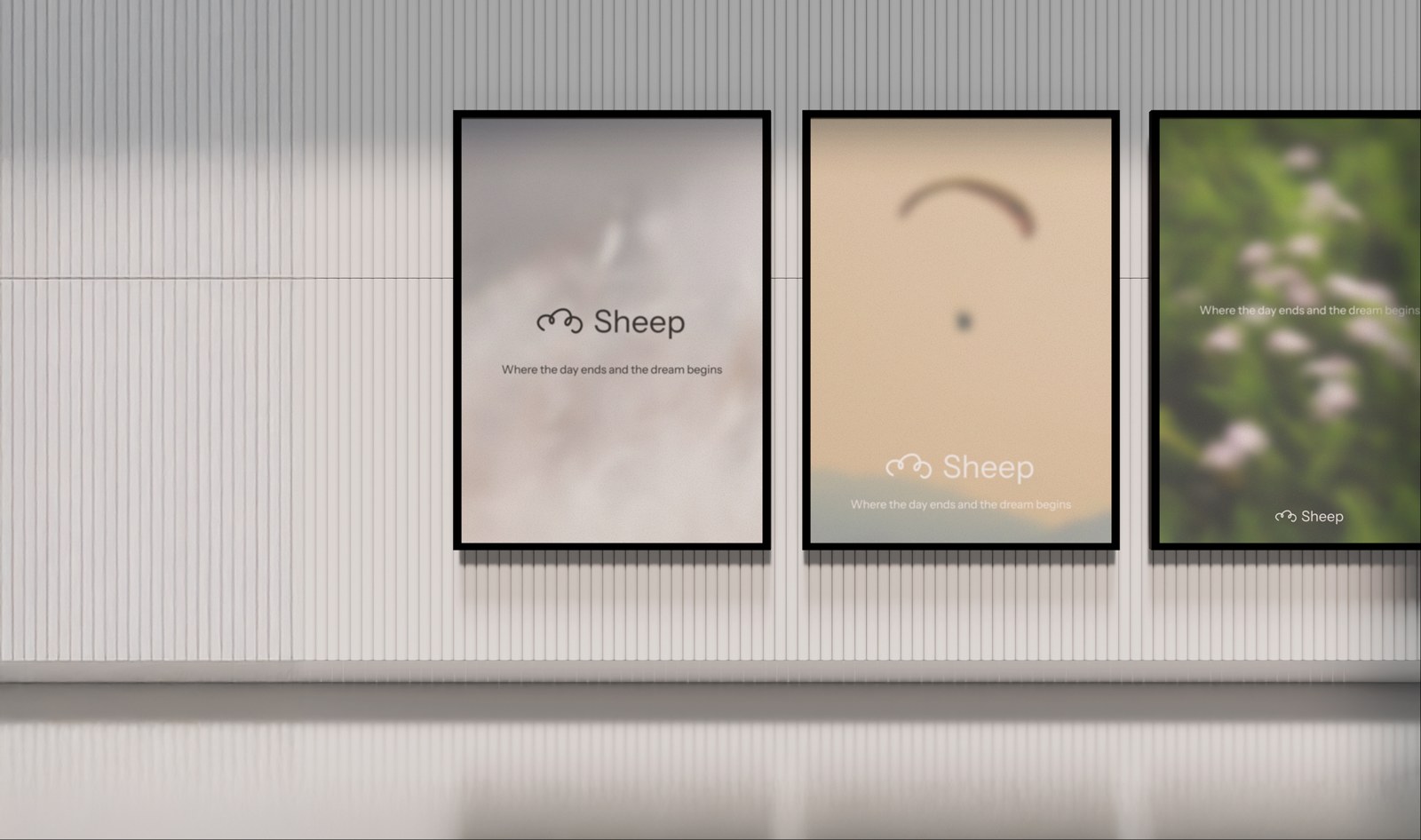
On screen, the visual language scrolls through the landing page, with type, color, and mark working together end to end.
Thanks for reading. If anything caught your eye, I'd love to hear about it.
jon549.design@gmail.com