Stargazing
Bring awareness of light pollution to urban people.
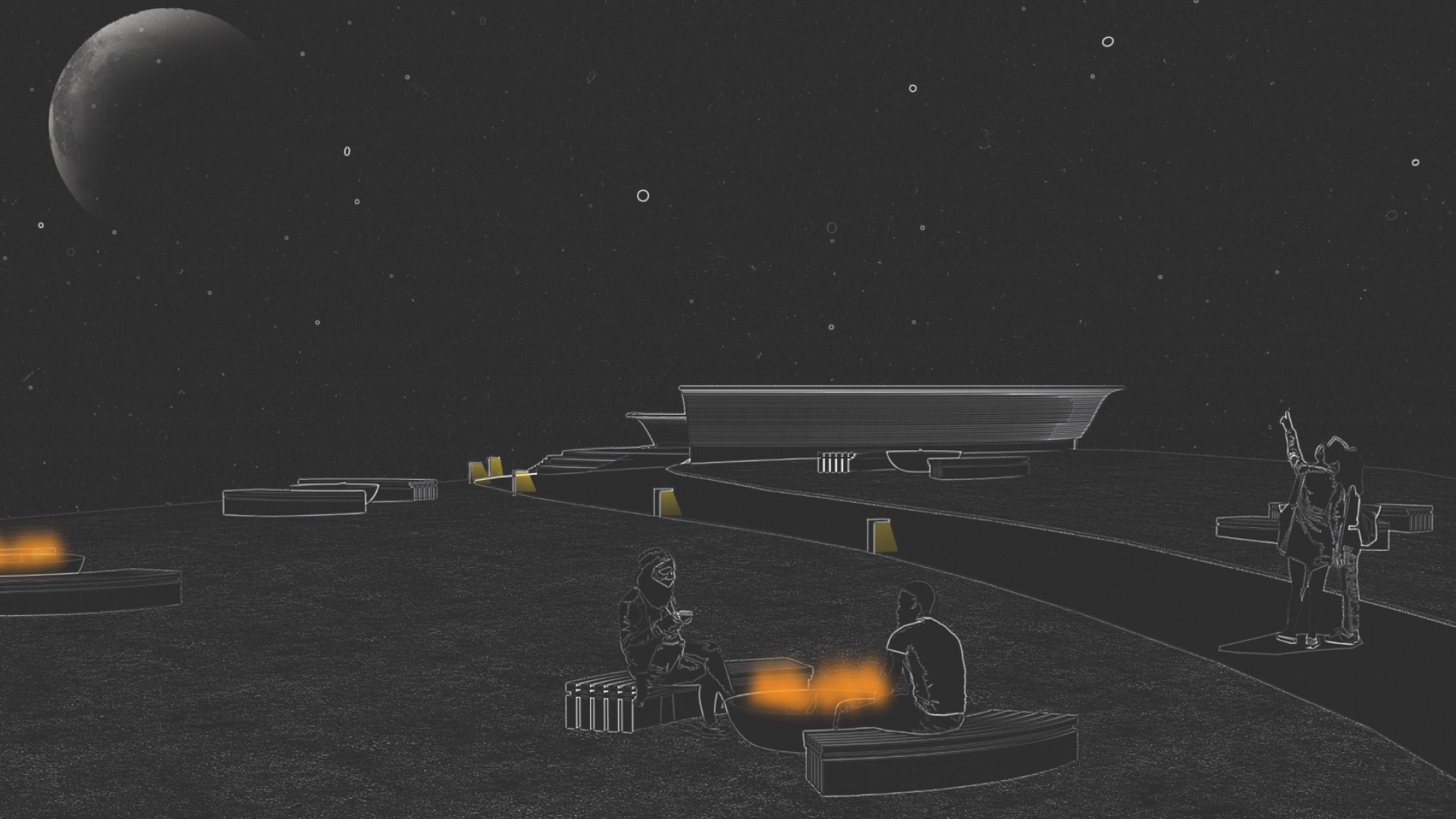
People in urban areas lack awareness of how light pollution affects the environment, animals, and humans. This study creates a meaningful, immersive experience at the Audrey C. Rust Commemorative Site in Redwood City, California, to bring that awareness to light.
- Role
- Designer
- Project type
- Experiential · Landscape
- Timeline
- 2023.1 — 2023.5
- Tools
- Rhino, Illustrator, Photoshop
- Skills
- Rendering, Research, Collage, 3D modelling
- Site
- Audrey C. Rust Commemorative Site
- Location
- Redwood City, CA
Disturbed by street light
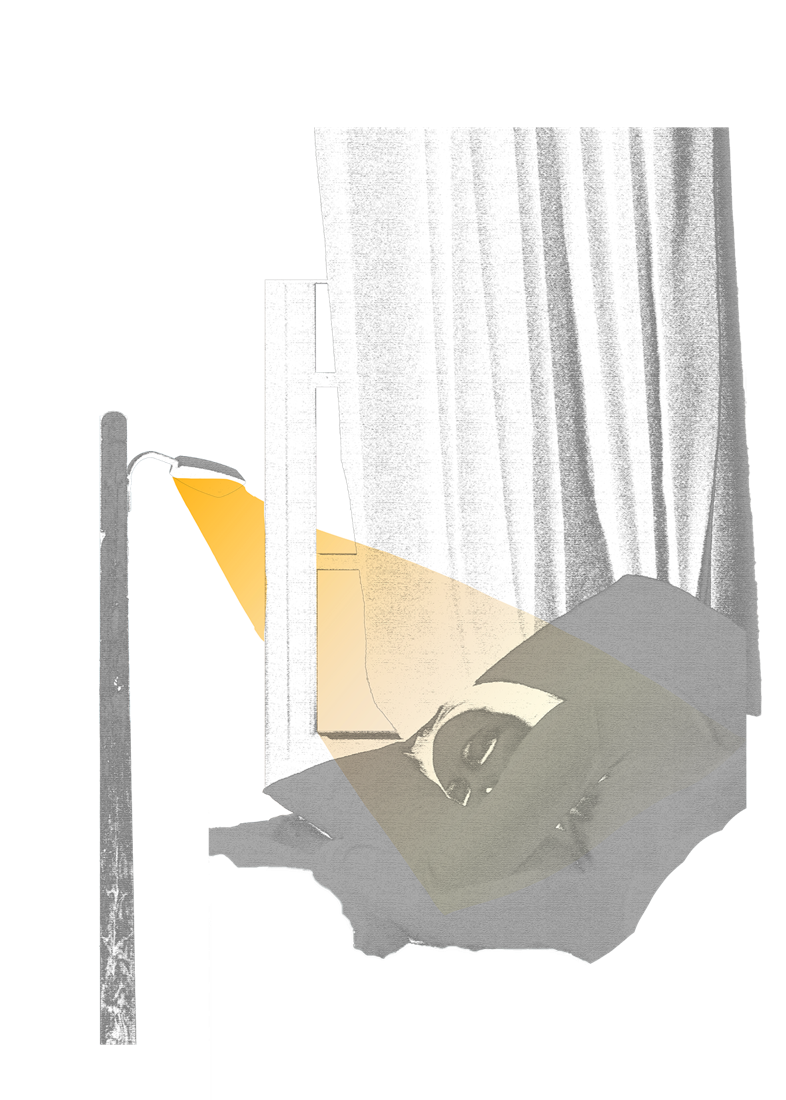
I was disturbed by the streetlight outside my window while trying to sleep. The light was so bright it felt like daytime. I tried to block it by closing the curtain, but it only blocked a limited amount.
That small frustration is a symptom of a much larger problem — one most people living in cities never stop to notice.
History of using light
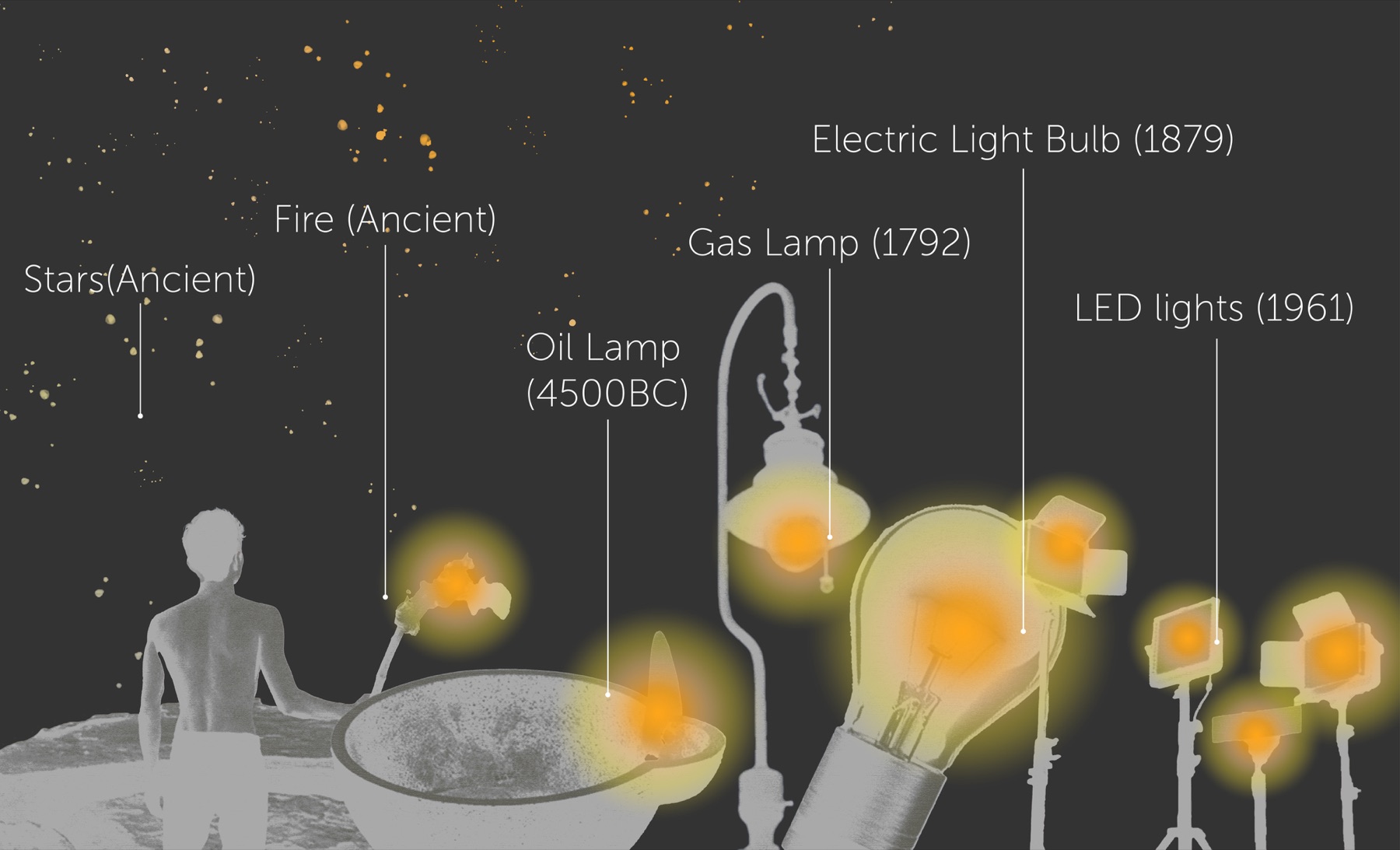
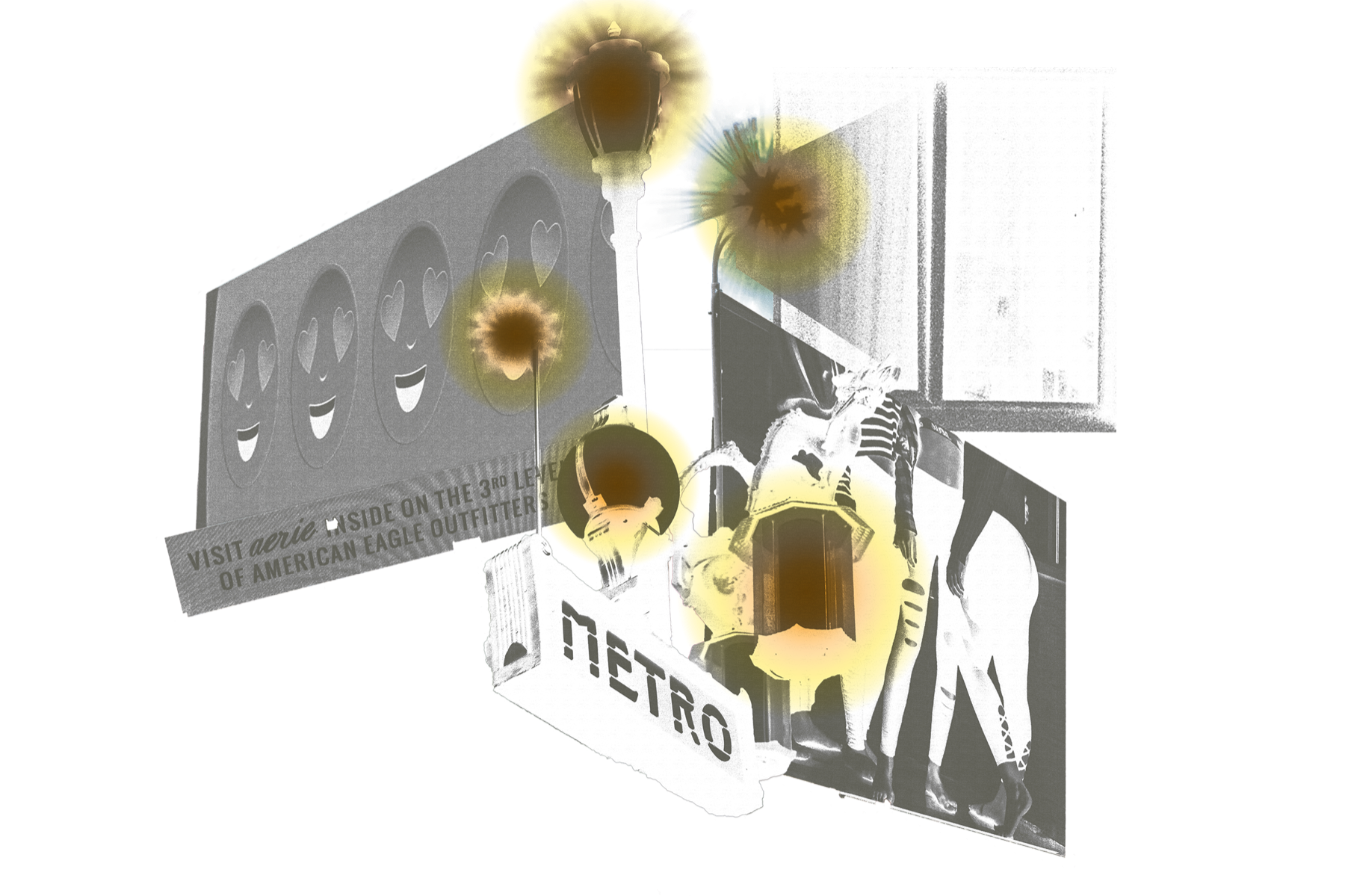
The problem. More than 99% of the US population lives under light-polluted skies. Humanity has enveloped the planet in a luminous fog that affects human health, animal behavior, and the opportunity to observe our galaxy.
Night sky in the city
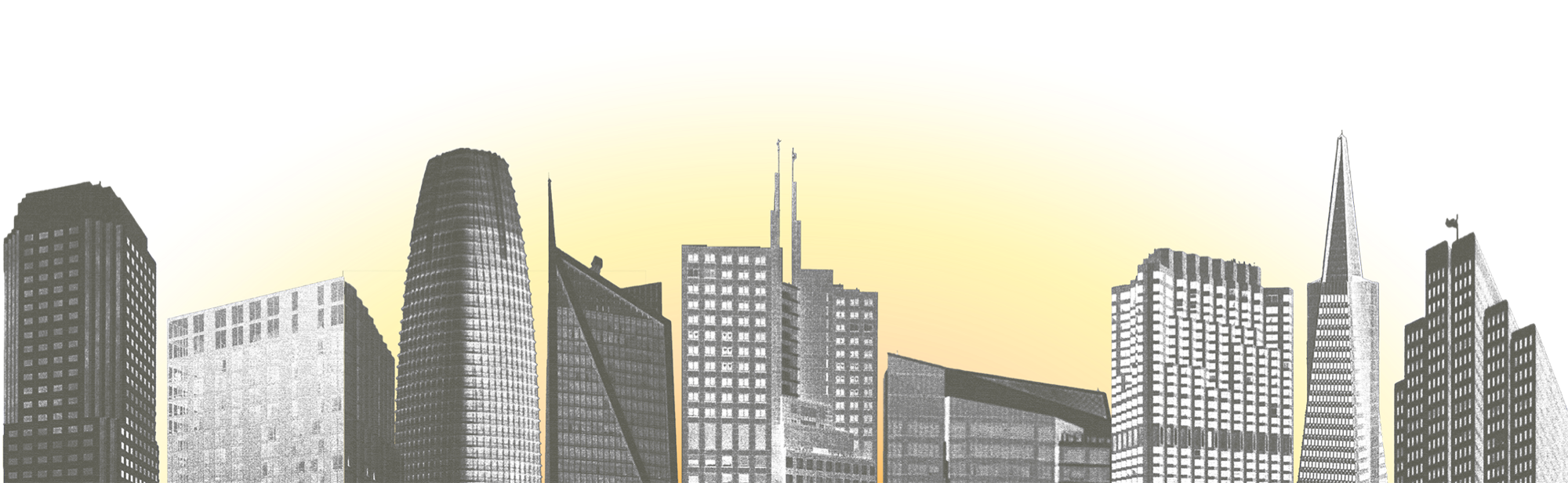
City lights wash out the night. The glow over San Francisco's skyline means most residents have never seen a truly dark, star-filled sky.
Lighting situation in the city
4 types of light pollution
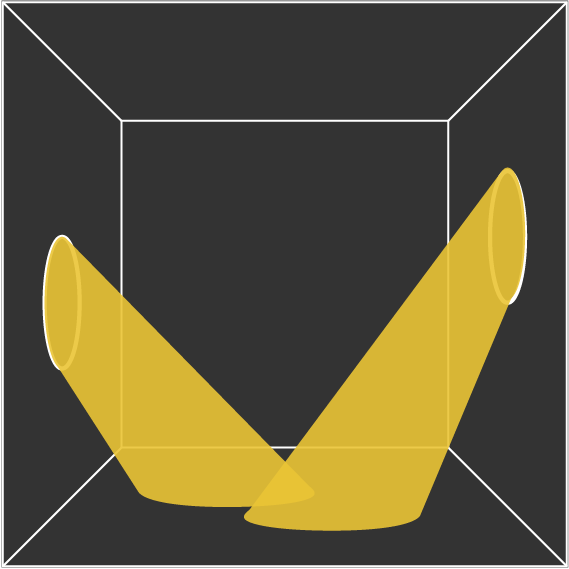
Light Trespass
Like noise, it invades any gaps in spaces — causing poor sleep quality.
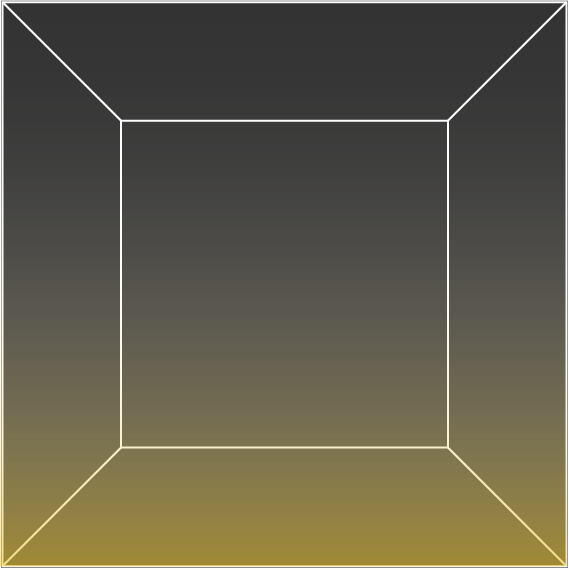
Fills
Over-illumination from city lights creates a dome-like glow.
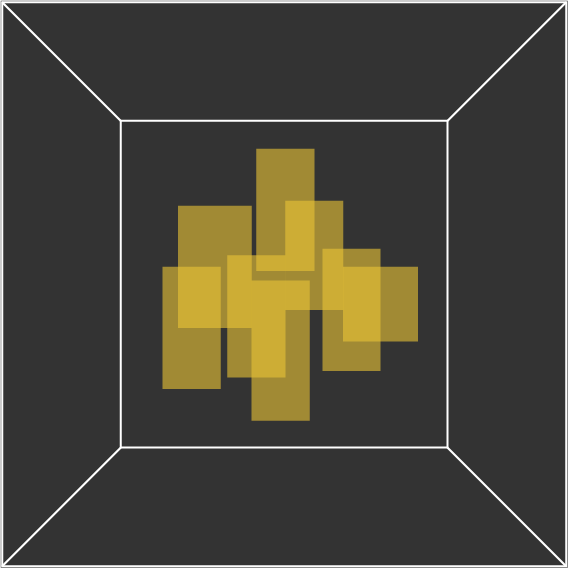
Assembles
Areas like commercial centers are designed with excessive lighting.
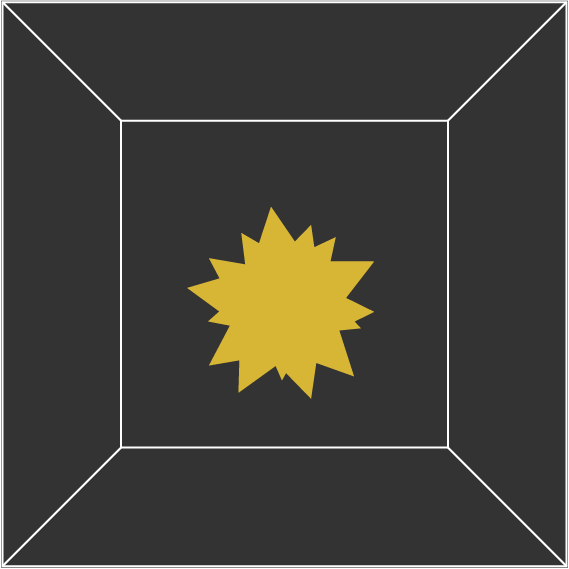
Glare
Electrical illumination can be so bright it forces people to close their eyes.
Escape the city
Why Audrey C. Rust Commemorative Site
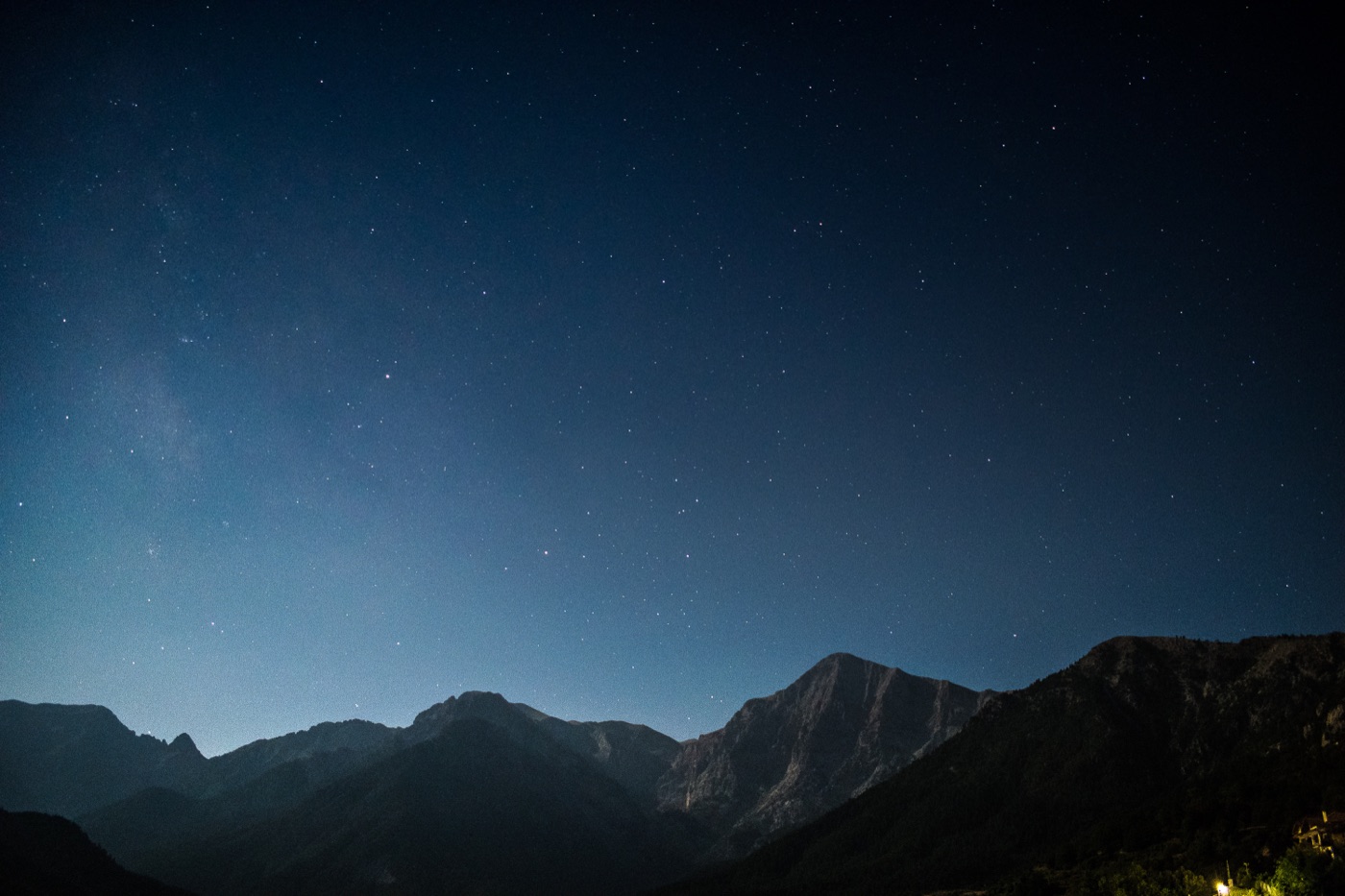
The site is located 10–15 minutes from residential areas by highway, plus 20–40 minutes on mountain roads. With zero light pollution and away from urban areas, it provides an immersive experience for stargazing.
Current limitations
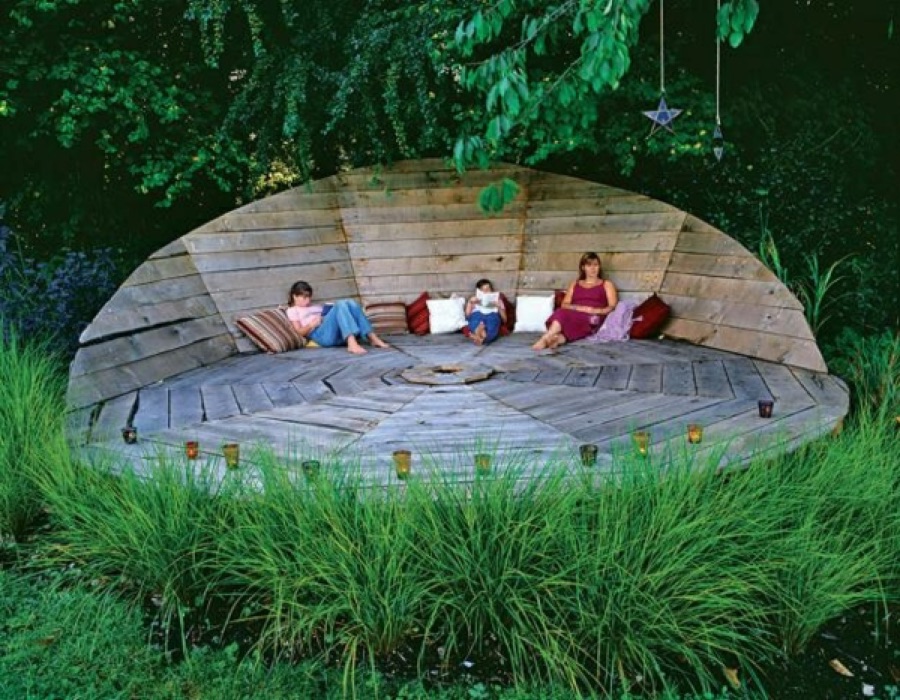
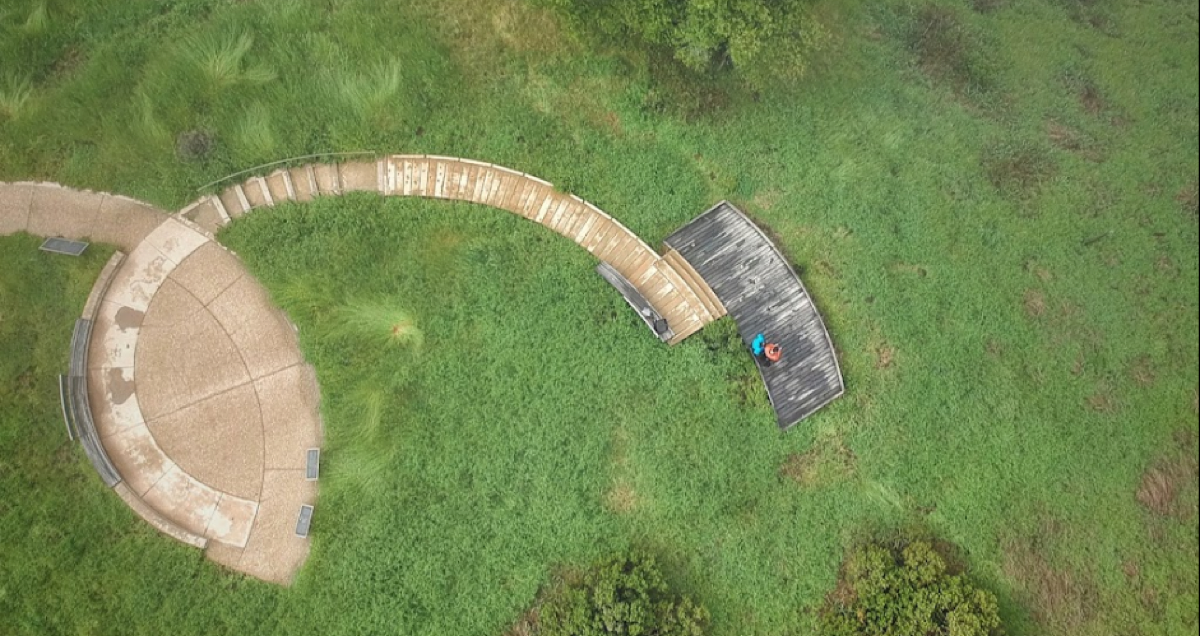
The site sits in a natural environment with forests and trails nearby. A simple gathering space with limited seating is provided, but it lacks lighting fixtures to guide visitors safely at night.
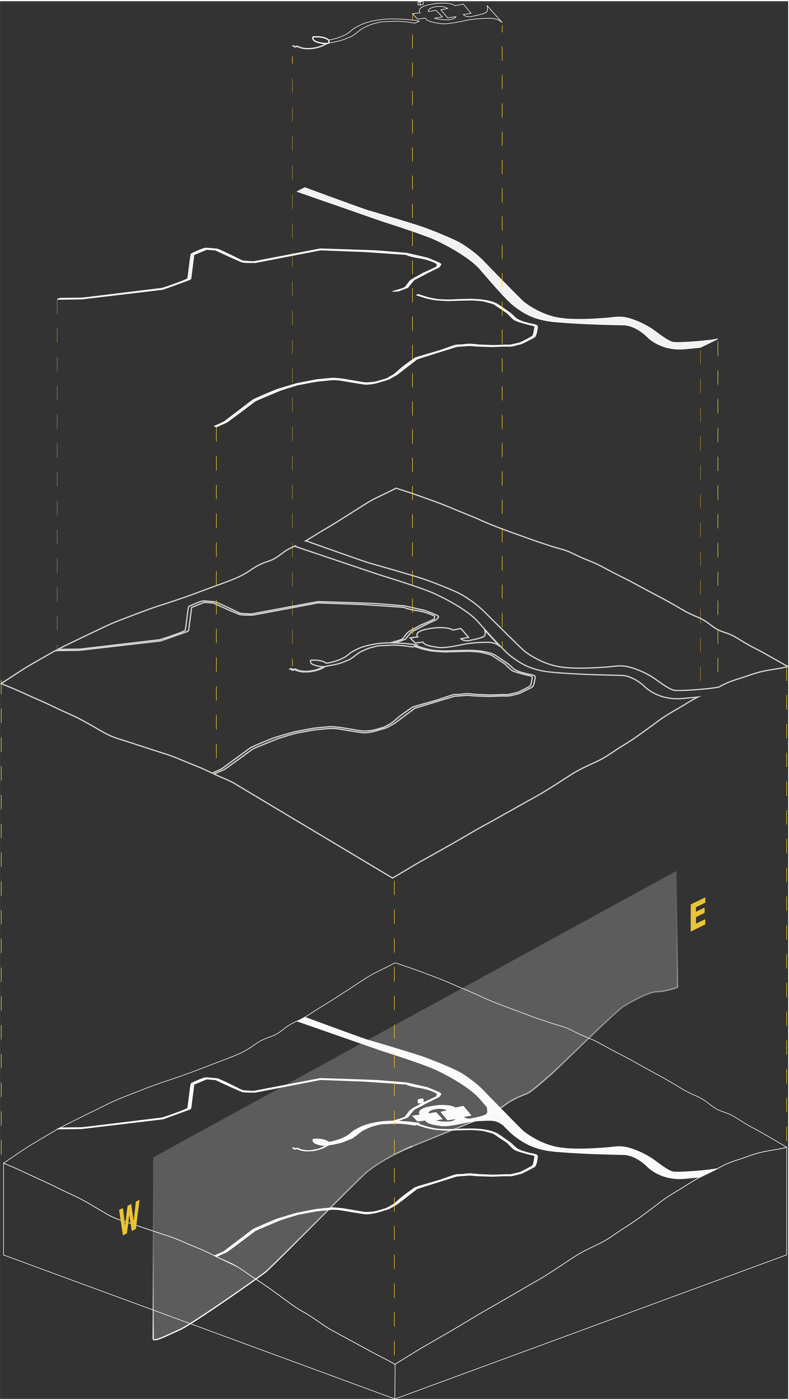
Scenery along the road
Urban
Visitors start driving from the city, so the experience here is city views of SF.

Along the woods
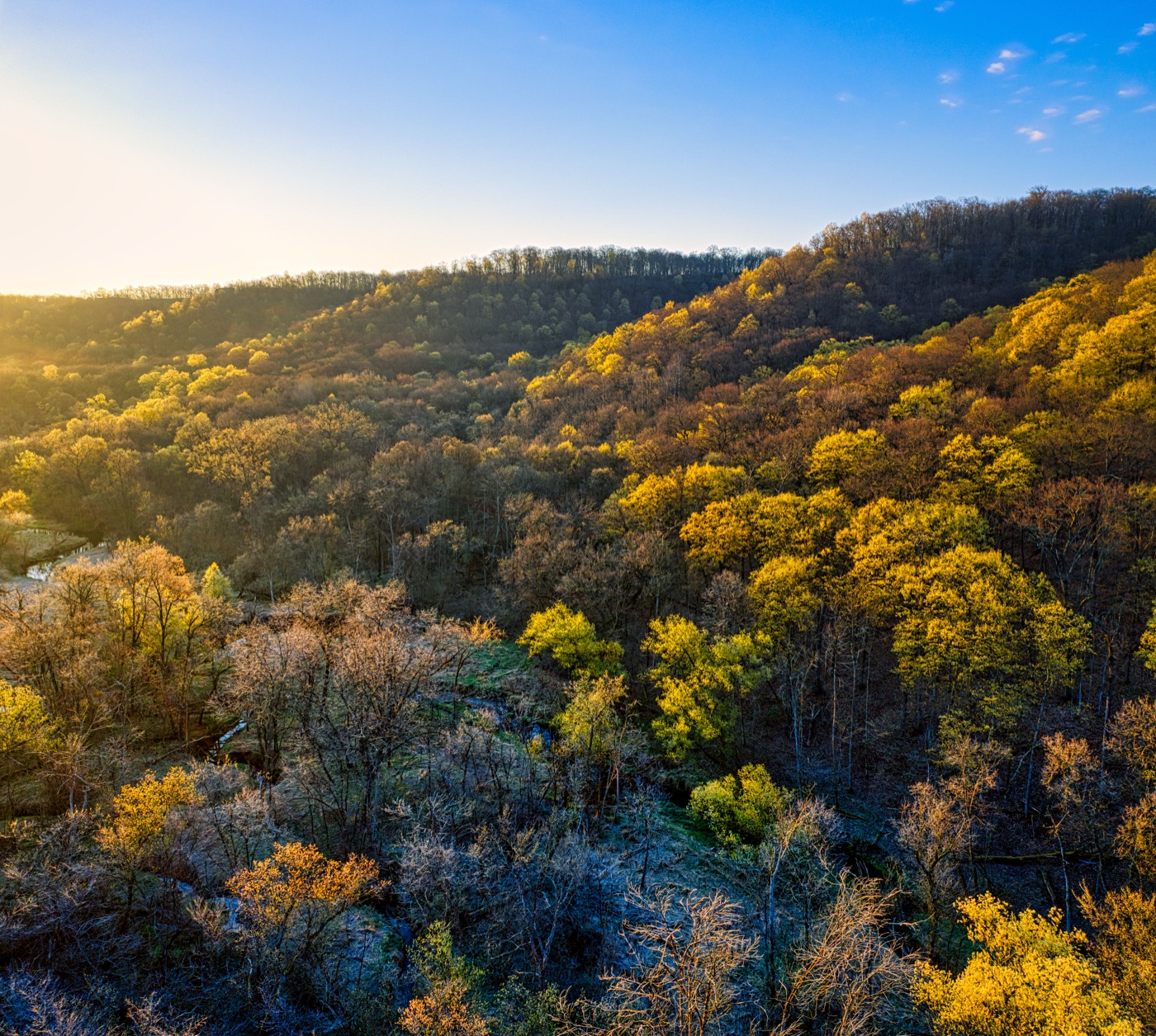
While driving, forests line the roads. After sunset, stars gradually appear above.
Forest's edge
The destination is the forest edge, where visitors view the forest from the top and the stars in a zero-light-polluted sky.
Visible constellations
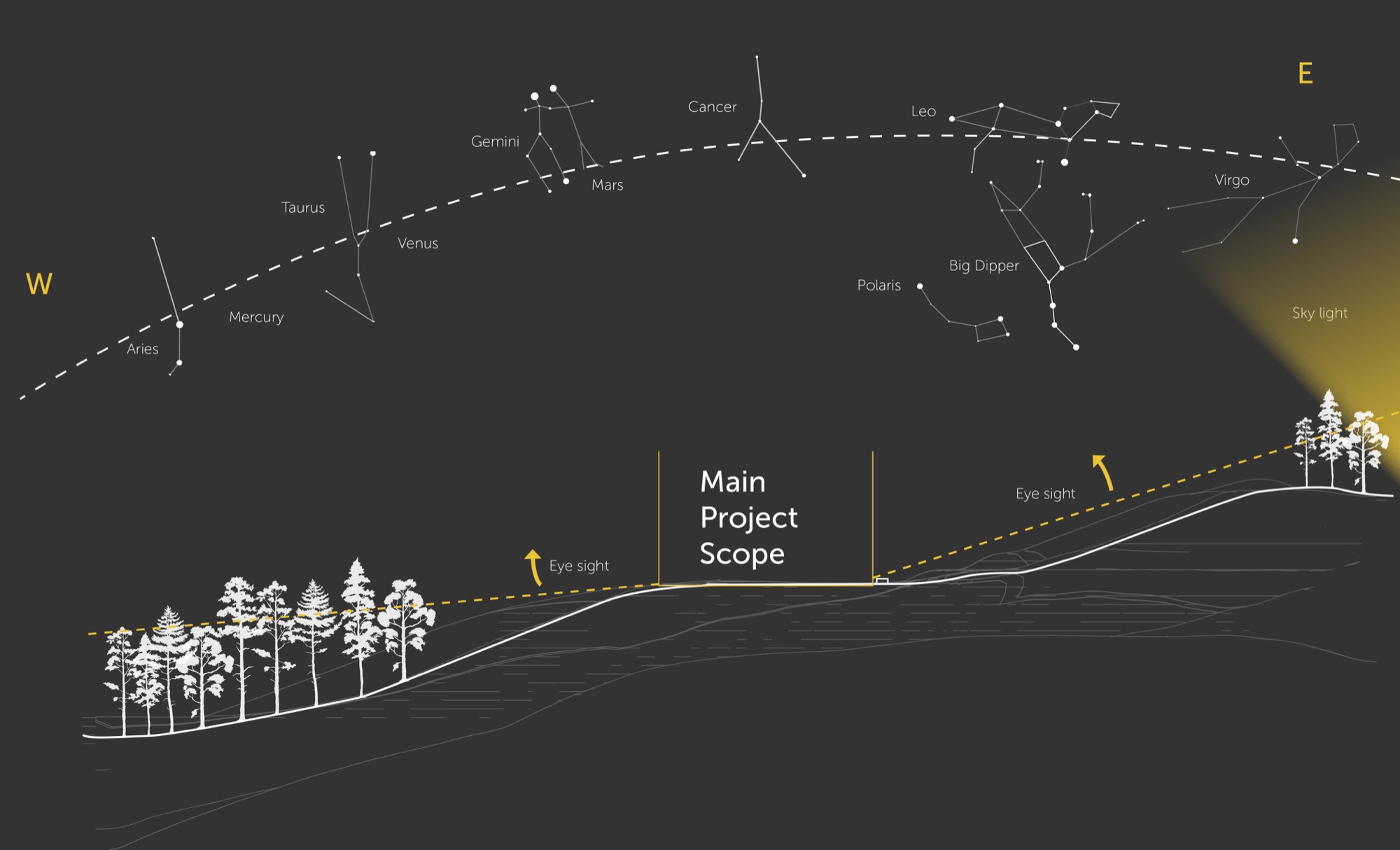
From this site, visitors can observe the constellations illustrated in the diagram — tracing west to east across the night sky.
Enhancing experience
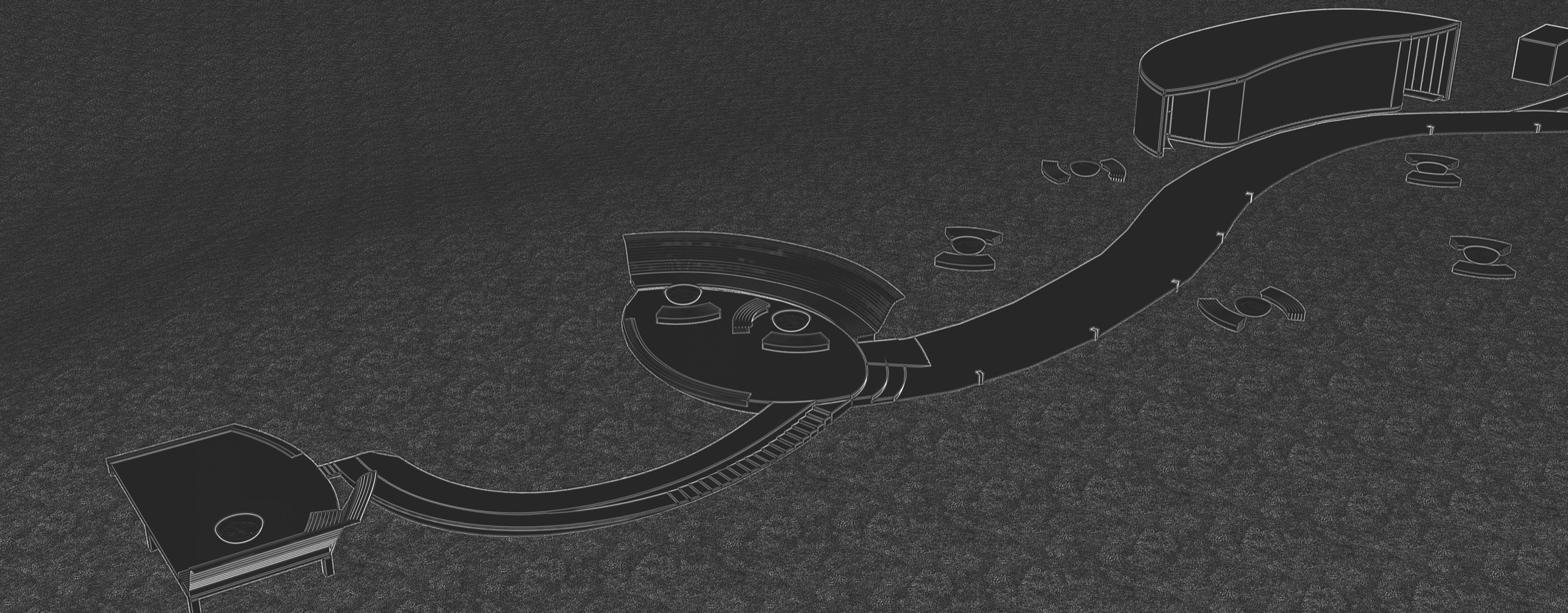
The lighting pathway is designed with three distinct yet interconnected installations that explore light pollution — “Blinds,” “Invades,” and “Assembles.”
As visitors walk through, they experience firsthand how light exposure impacts our physiology. The final section allows a period of dark adaptation as visitors exit — enhancing the clarity of the starry sky above.
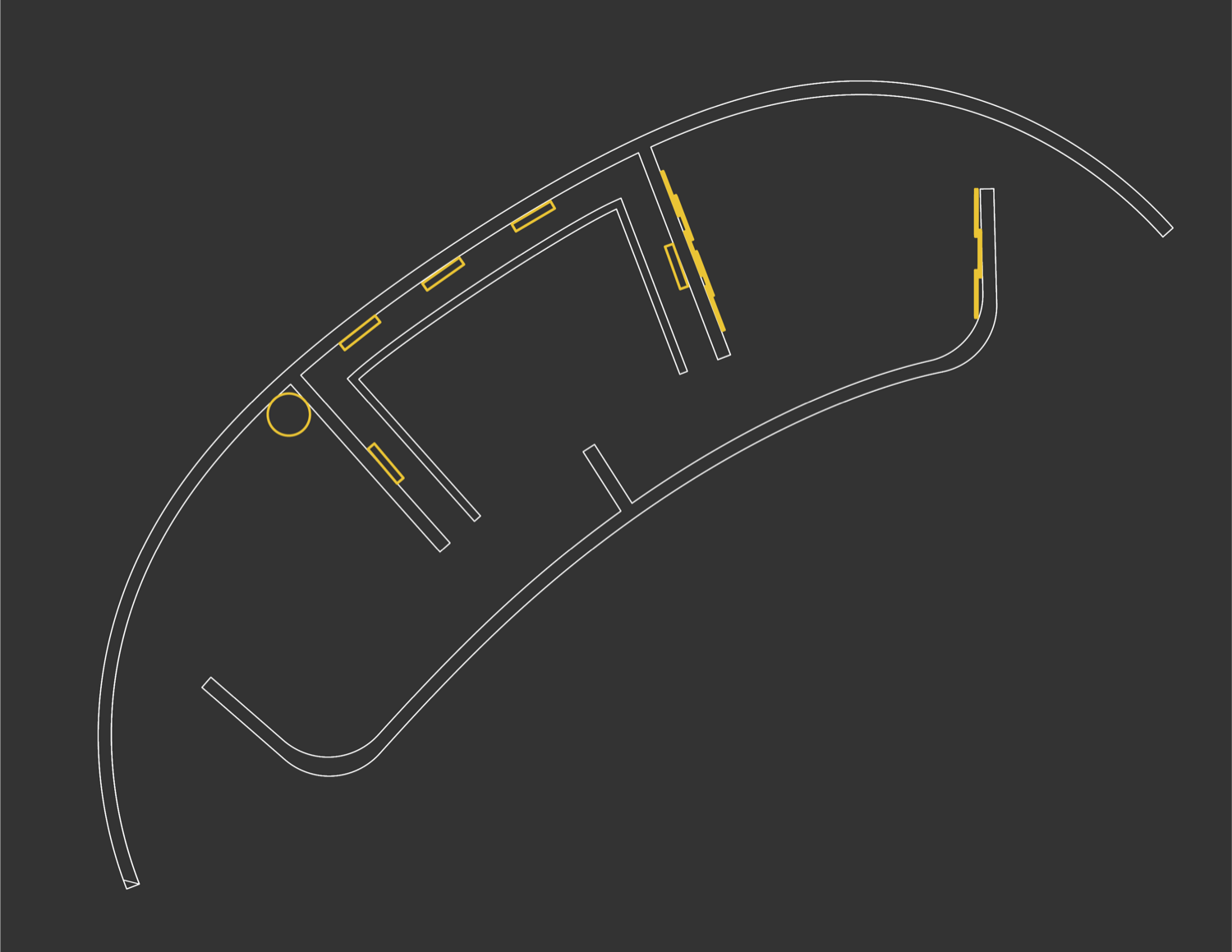
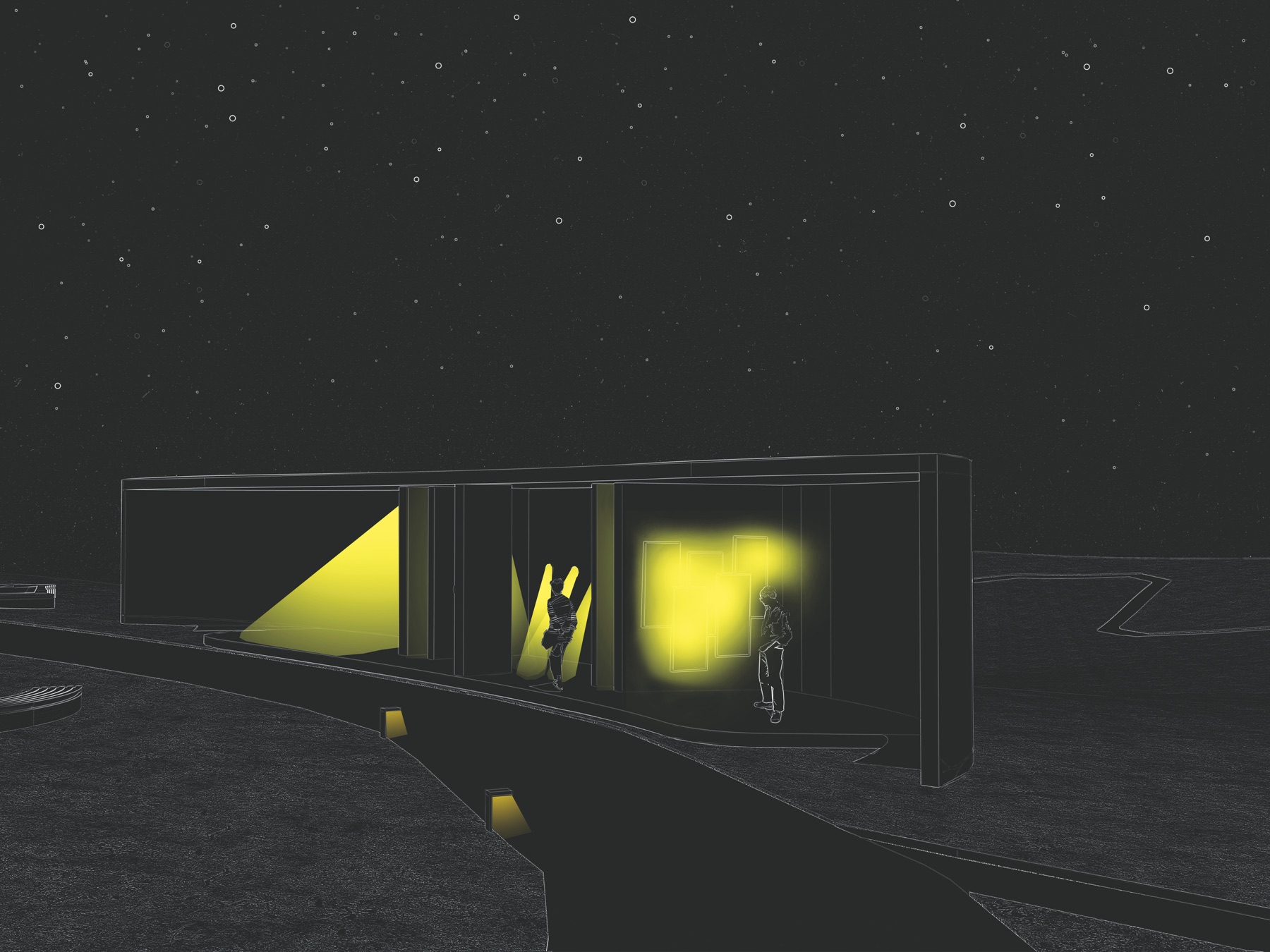
The yellow lines on the floor highlight the shapes and key spots of each installation. As visitors walk the pathway, they feel firsthand how light exposure impacts our physiology.
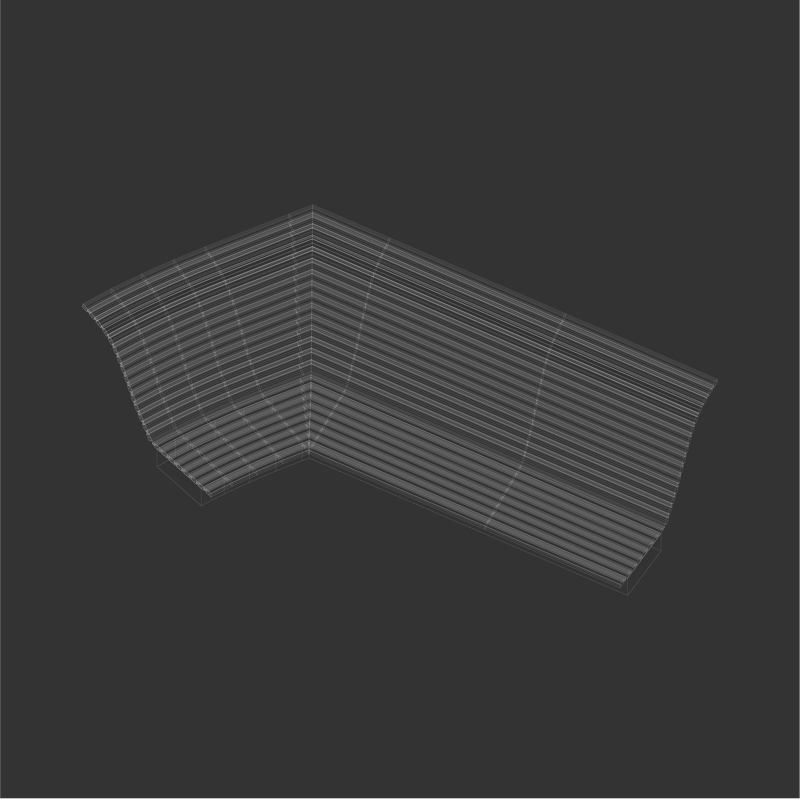
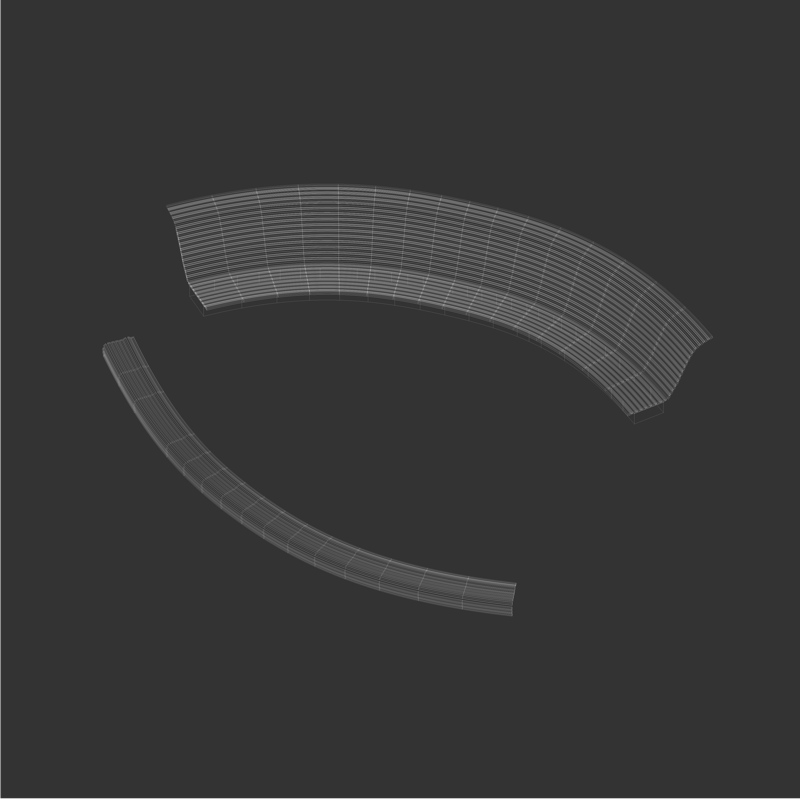
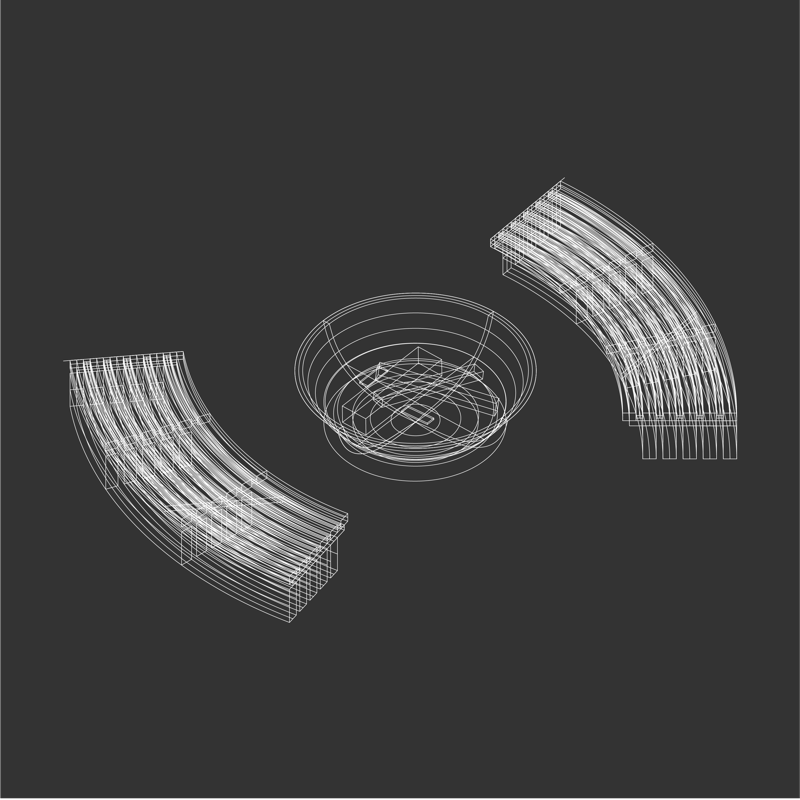
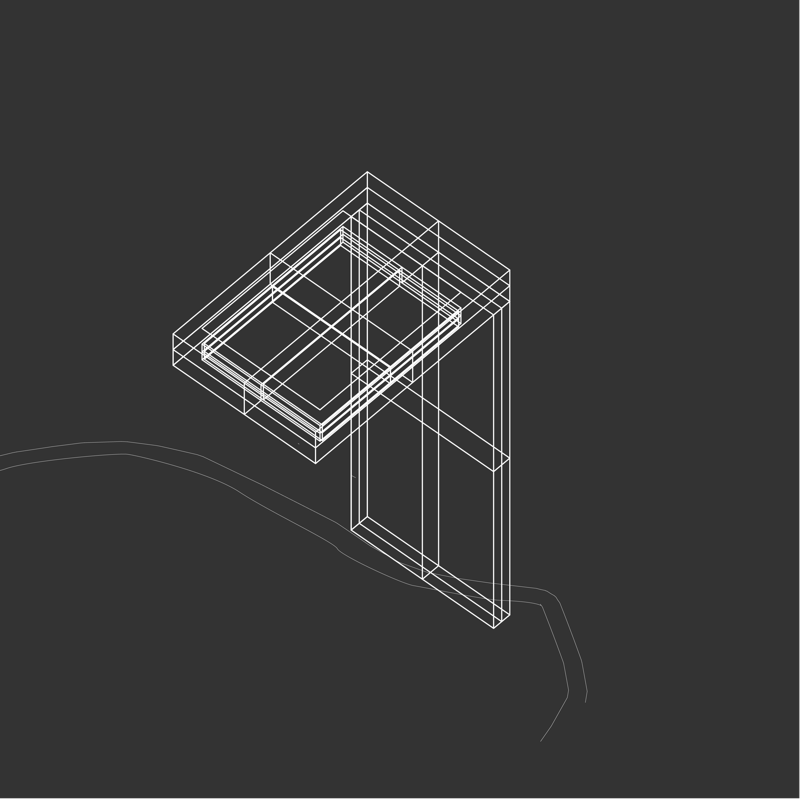
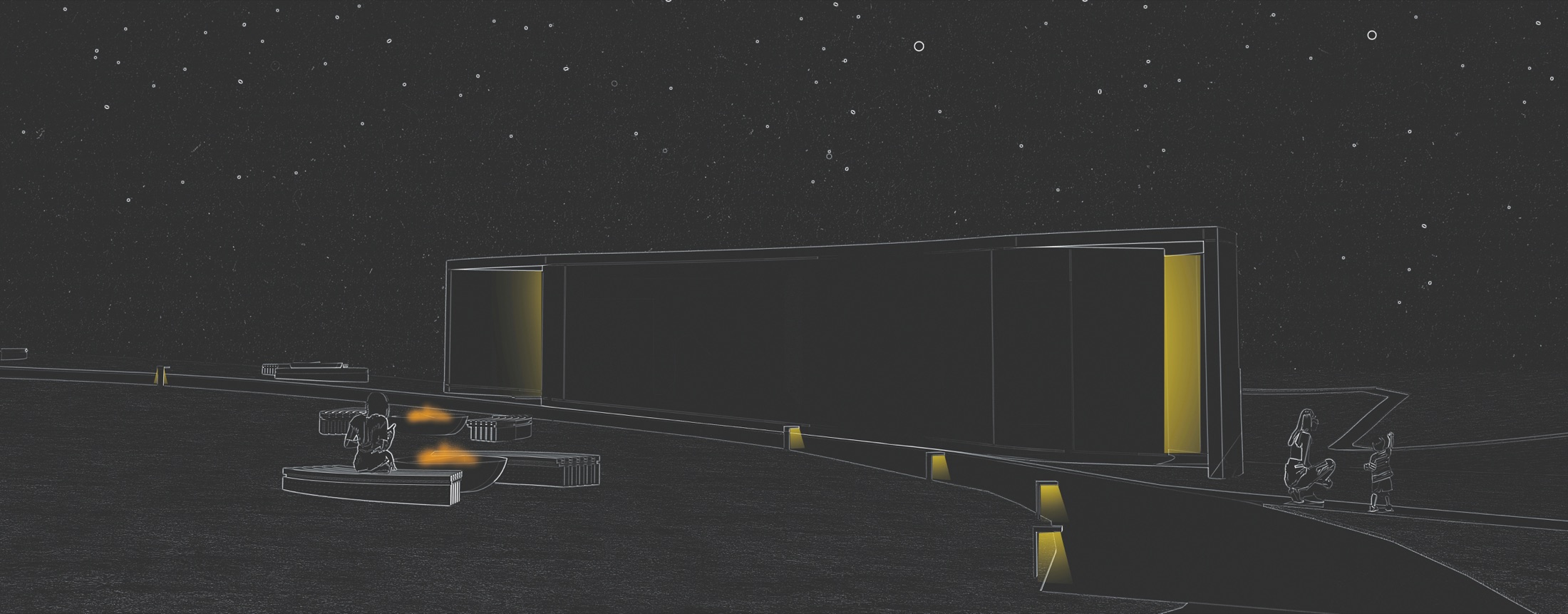
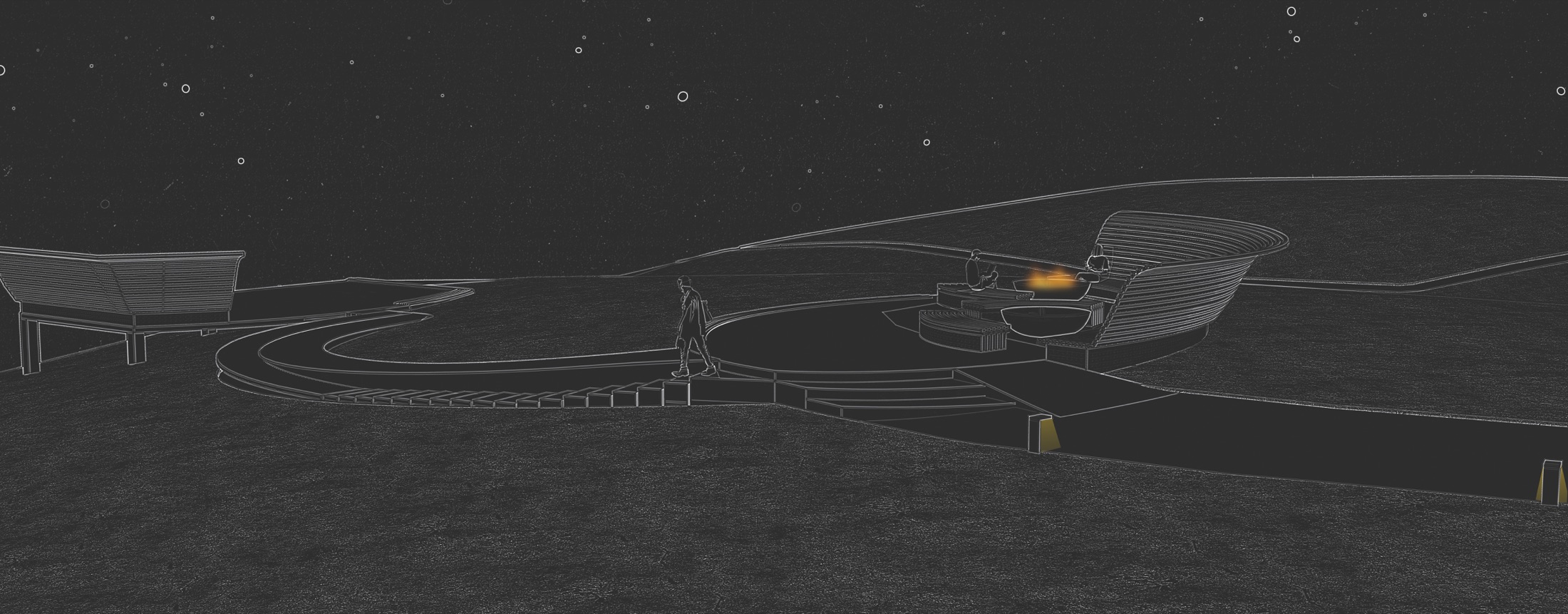
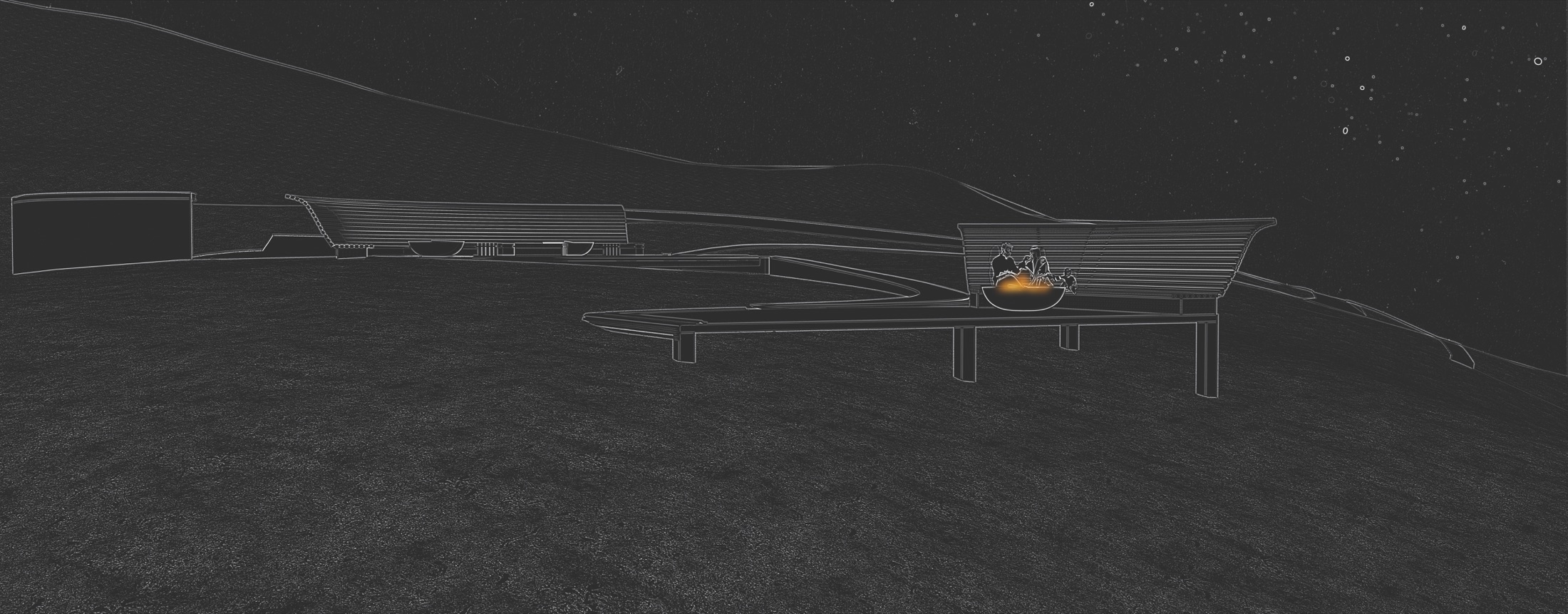
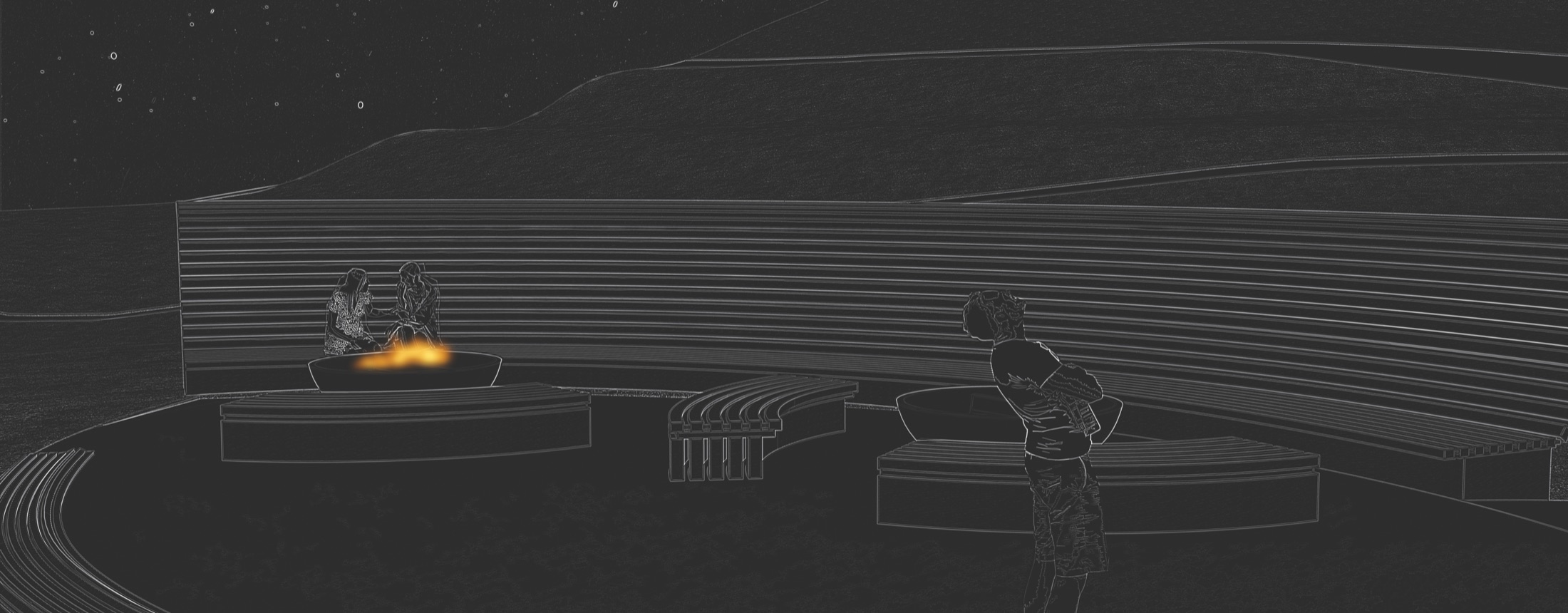
Lighting fixtures sit below the waist and face down to keep light from projecting to the sky — guiding visitors through a very dark environment without disrupting the view of the night sky. Three seating layouts suit different group sizes to increase intimacy and flexibility.
Touring the site
Thanks for reading. If anything caught your eye, I'd love to hear about it.
jon549.design@gmail.com